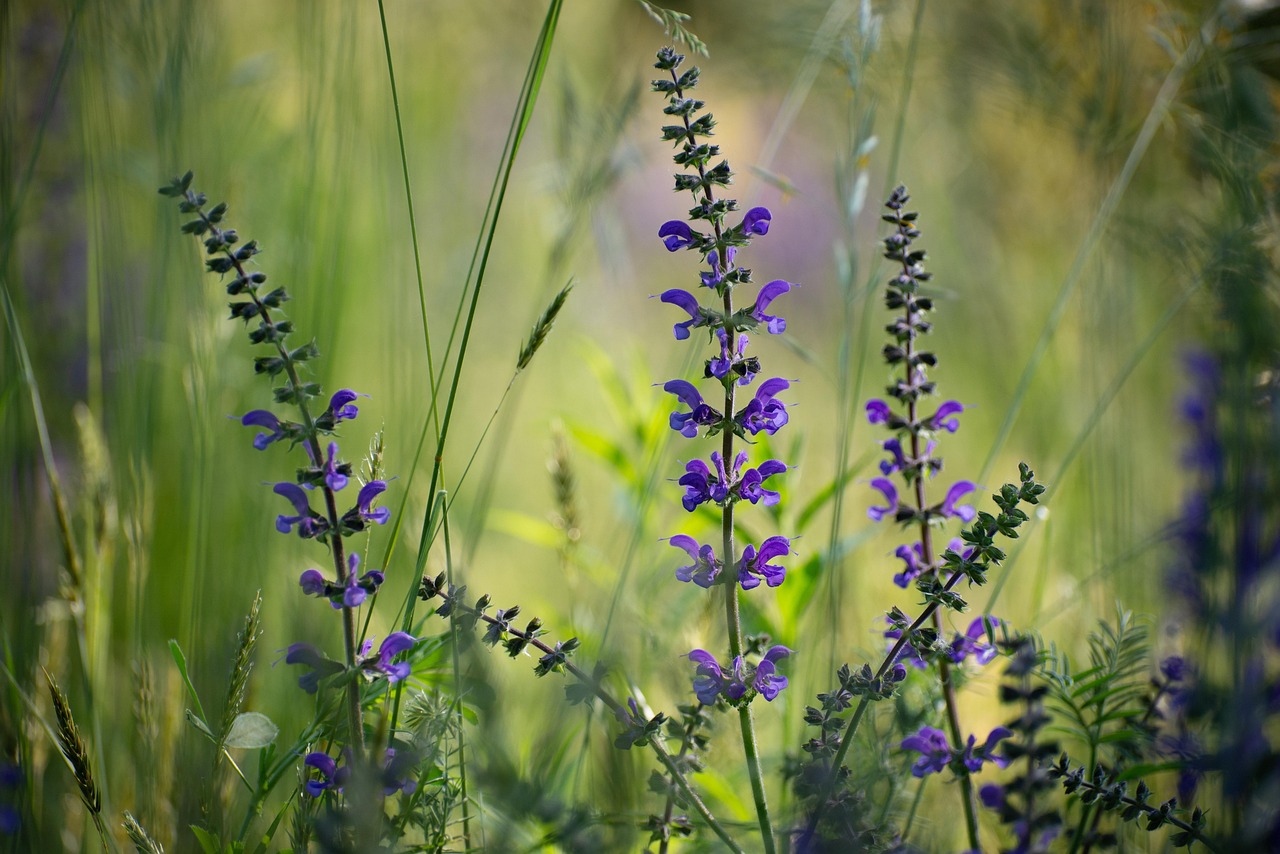
Clary Sage Oil for Meditation and Quiet Grounding Rituals
There is something distinctly unhurried about clary sage. Its scent sits somewhere between earthy and herbaceous, with a faint sweetness that feels neither sharp nor floral. When you bring it into a meditation practice or a quiet grounding ritual, it tends to shift the atmosphere of a room before you've even settled into your seat.
This guide walks through exactly how to incorporate clary sage essential oil into your practice, from choosing quality oil to blending, diffusing, and applying it safely. Whether you are brand new to grounding ritual oils or have been exploring aromatic practices for years, these steps will help you build something intentional and repeatable.
Why Clary Sage Belongs in a Grounding Practice
Clary sage (Salvia sclarea) has a long history in aromatic traditions. It has been used in contemplative and ceremonial contexts for centuries, valued for its complex, grounding scent profile. People who practice clary sage meditation often describe the oil as an olfactory anchor: something to return to when thoughts scatter.
Some research suggests that the linalyl acetate content in clary sage essential oil may support a sense of calm during inhalation. These are observational findings, not medical claims, and individual experience varies. What most practitioners agree on is that the scent is distinctive enough to become a reliable cue. Over time, your nervous system may begin to associate the smell of clary sage with stillness.
This is sometimes called olfactory conditioning, and it is one of the most practical reasons to work with a consistent aromatic anchor in your ritual space. For a broader look at how this oil performs across different contexts, the ultimate guide to clary sage essential oil uses at home covers a wide range of applications worth bookmarking.
What You Will Need
Before you begin, gather your materials. Having everything within reach before you sit down matters more than you might expect. Interrupting a ritual to search for a carrier oil breaks the continuity of the practice.
- Clary sage essential oil: Choose a steam-distilled oil from a reputable supplier. Look for GC/MS testing documentation and a clearly labeled country of origin. France and Moldova are considered leading sources for Salvia sclarea.
- A carrier oil: Jojoba, sweet almond, or fractionated coconut oil all work well for topical application. Jojoba closely resembles the skin's natural sebum and absorbs cleanly.
- A ceramic or ultrasonic diffuser: Avoid plastic diffusers, which can degrade with repeated exposure to essential oils.
- A small dark glass roller bottle or dropper bottle: For pre-blended topical use.
- A meditation cushion, mat, or chair: Whatever supports comfortable stillness for you.
- Optional additions: A journal, a candle (unscented, to avoid competing aromas), and a blanket for cooler rooms.
Choosing the Right Clary Sage Oil
Quality matters here more than in some other applications. During meditation, you are inhaling the oil slowly and repeatedly over an extended period. A lower-quality oil that has been adulterated with synthetic linalool or other additives can create a discordant or headache-inducing experience rather than a grounding one.
Look for oils that list the full botanical name (Salvia sclarea), the plant part (flowering tops and leaves), and the extraction method (steam distillation). Avoid any clary sage oil labeled only as a fragrance blend or perfume compound. Those products serve a different purpose and are not suitable for the aromatic practices described here.
Three Ways to Use Clary Sage in Meditation
Method 1: Diffusion Before and During Practice
Diffusing is the most accessible entry point. It fills the room evenly, requires no skin contact, and creates an ambient atmosphere that supports focus without demanding your attention.
- Set up your diffuser at least five minutes before you begin. Place it at roughly chest height if possible, not directly at floor level. You want the aromatic molecules to circulate at the level where you will be breathing.
- Add 4 to 6 drops of clary sage essential oil to your diffuser's water reservoir. For a warmer, more grounded blend, try 3 drops of clary sage paired with 2 drops of cedarwood and 1 drop of vetiver. This combination layers the herbaceous quality of clary sage against deeper, woodier base notes. If you enjoy lighter blends, explore the clary sage diffuser blends for a relaxing evening atmosphere for more tested combinations.
- Begin your session only after the scent is present in the room. Sit down, close your eyes, and take three slow breaths before starting any formal practice. Let the aroma register consciously first.
- Diffuse for no more than 30 to 60 minutes at a stretch. Continuous diffusion in an enclosed space can lead to olfactory fatigue, which means you stop noticing the scent entirely. Shorter sessions tend to preserve the sensory impact.
Method 2: Topical Application to Pulse Points
Applying a diluted clary sage blend to your wrists or the back of your neck brings the scent closer during practice and creates a tactile element to the ritual.
- Prepare your blend in advance. A safe dilution for most adults is 2 percent, which works out to approximately 12 drops of clary sage essential oil per 30 ml (1 ounce) of carrier oil. Always do a patch test before using any new blend on a larger area of skin.
- Apply a small amount to your inner wrists and the back of your neck. These are areas with good circulation and proximity to your nose during seated practice.
- Pause after application. Bring your wrists to your face and take two or three slow, deliberate breaths before you begin your session. This intentional inhale becomes part of the ritual itself, a small ceremony that signals to your body that the practice is beginning.
- Keep the blend in a dark glass roller bottle stored away from direct sunlight and heat. Properly stored, it will retain its quality for several months.
Safety note: Do not apply undiluted clary sage oil directly to skin. Keep all essential oils away from the eye area. If you are pregnant or nursing, consult your healthcare provider before using clary sage oil in any form. Certain populations should also check with their provider before beginning any new aromatic practice.
Method 3: Aromatic Grounding at the Start of a Journaling or Breathwork Session
Grounding ritual oils are not limited to silent sitting. Many people use clary sage as an aromatic anchor at the beginning of breathwork, body scan practices, or quiet journaling sessions. The ritual works the same way: a consistent sensory cue that tells the mind it is time to slow down.
- Open your clary sage bottle and hold it a few inches from your nose. Inhale slowly for a count of four, then exhale for a count of six. Repeat three times.
- Set an intention or a simple focus word before you begin your session. This is not a spiritual requirement; it is simply a way to give direction to your practice.
- Return to the bottle during the session if your attention drifts significantly. A single deliberate inhale can serve as a reset.
Building a Repeatable Grounding Ritual
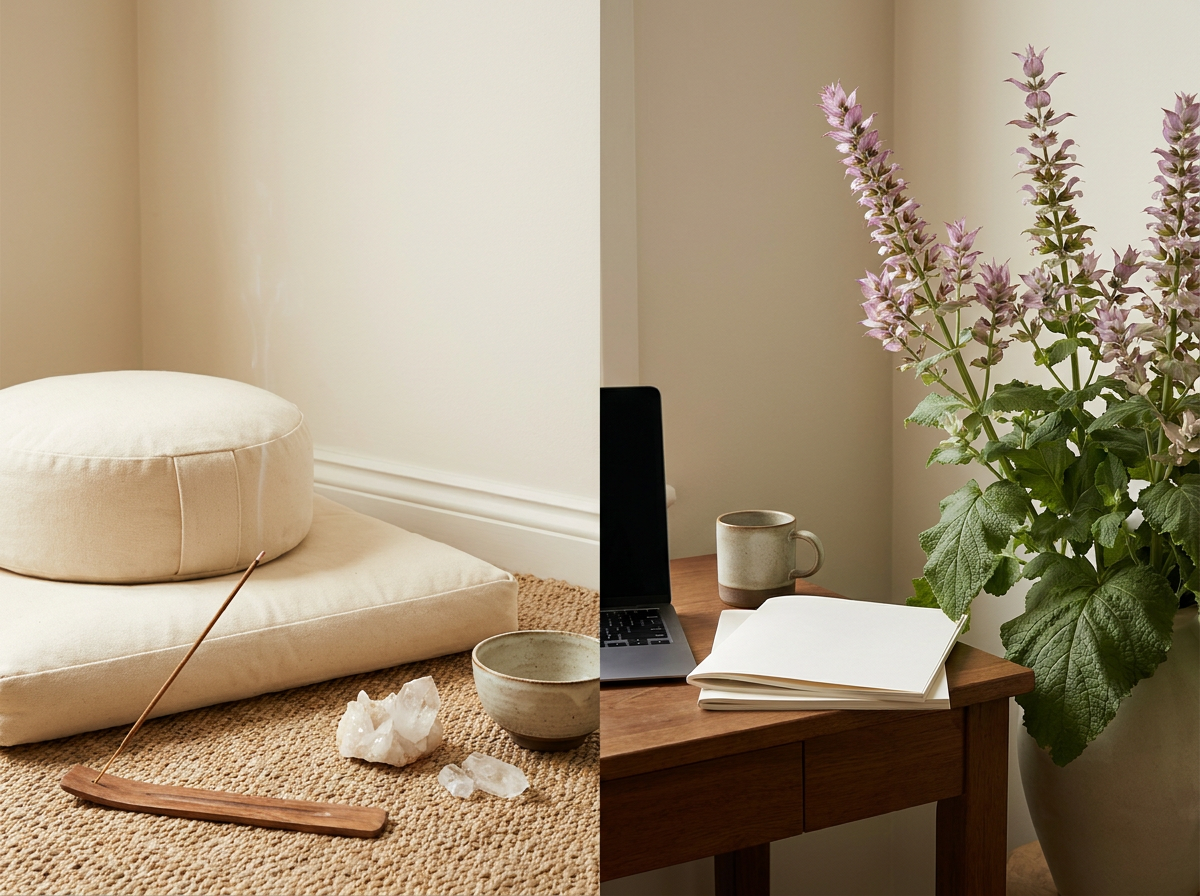
Consistency is what transforms these steps from a nice experiment into an actual practice. The goal is to repeat the same sequence enough times that the scent of clary sage essential oil begins to carry its own cue. Here is a simple structure that works for sessions of 15 to 45 minutes.
- Prepare your space: dim or adjust lighting, switch off notifications, set a timer if needed.
- Start the diffuser or apply your topical blend.
- Take three deliberate breaths while standing before you sit down.
- Begin your practice: seated breathing, body scan, silent observation, or journaling.
- Close the session with one more conscious inhale of the oil before you re-enter regular activity.
That closing inhale matters. It bookends the experience. Over time, this small repetition adds up to a reliable signal that your grounding time has its own beginning and end, separate from the rest of your day.
If you enjoy extending the ritual into the evening, the DIY clary sage bath oil for a quiet evening soak is a natural next step. Many people find that moving from a meditation session into a warm, aromatically prepared bath creates a longer arc of unwinding time.
Common Mistakes to Avoid
- Using too much oil in the diffuser. More is not more with clary sage. Its scent is assertive. Start with 4 drops and adjust upward only if the room feels too subtle after 10 minutes.
- Skipping the patch test. Even natural oils can cause skin sensitivity in some individuals. Test any new topical blend on the inner forearm 24 hours before broader use.
- Choosing oils based on price alone. The least expensive clary sage on the market is often synthetic or heavily diluted. A quality oil costs more per bottle but delivers a noticeably more complex, rounded scent.
- Changing the blend too frequently. If you are trying to build an olfactory anchor, switching oils every week defeats the purpose. Commit to your chosen clary sage blend for at least four to six weeks before evaluating it.
- Diffusing in an unventilated room for extended periods. Fresh air matters. Crack a window between sessions, especially if you share your space with children or pets.
What to Expect
People who incorporate clary sage meditation practices into their regular routines often report noticing the scent's effect more strongly after a few weeks of consistent use. Anecdotal evidence suggests that the olfactory association builds gradually. Some people describe feeling more settled at the start of sessions; others notice that their mind takes less time to quiet.
These are personal observations, not guaranteed outcomes. Individual responses to aromatic practice vary widely, and no essential oil replaces professional guidance for mental or emotional wellbeing. If you have questions about how aromatic practices might fit into a broader wellness approach for you, a qualified healthcare provider is the right person to ask.
What clary sage does reliably well is create atmosphere. Its scent is grounding in the most literal sensory sense: it is earthy, a little sweet, and complex enough to hold your attention without overwhelming it. For a practice built around returning to the present moment, that is a genuinely useful quality.
A Final Note on Sourcing and Storage
Buy from suppliers who publish GC/MS batch reports and list both the botanical name and country of origin clearly. Store your clary sage oil in a cool, dark location away from heat sources. Properly stored, a quality clary sage essential oil will remain at its aromatic best for two to three years. If it begins to smell flat, sour, or noticeably different from when you opened it, it is time to replace it.
Good oil, used consistently, in a space you have made intentionally yours: that is the whole of it. The ritual does not need to be elaborate to be meaningful.