
How Clary Sage Oil Is Made: From Flowering Tops to the Still
There is something quietly remarkable about the journey from a tall, musky-scented field of Salvia sclarea to the small amber bottle on your shelf. Clary sage oil does not arrive there by accident. It is the product of precise harvesting windows, centuries of distillation craft, and a complex chemistry that researchers are still working to fully understand. If you have ever wondered exactly how clary sage oil is made, this deep dive walks through the entire process, from the moment the plant is ready to cut to the moment the oil is bottled and assessed for quality.
The Plant Behind the Oil: A Brief Portrait of Salvia Sclarea
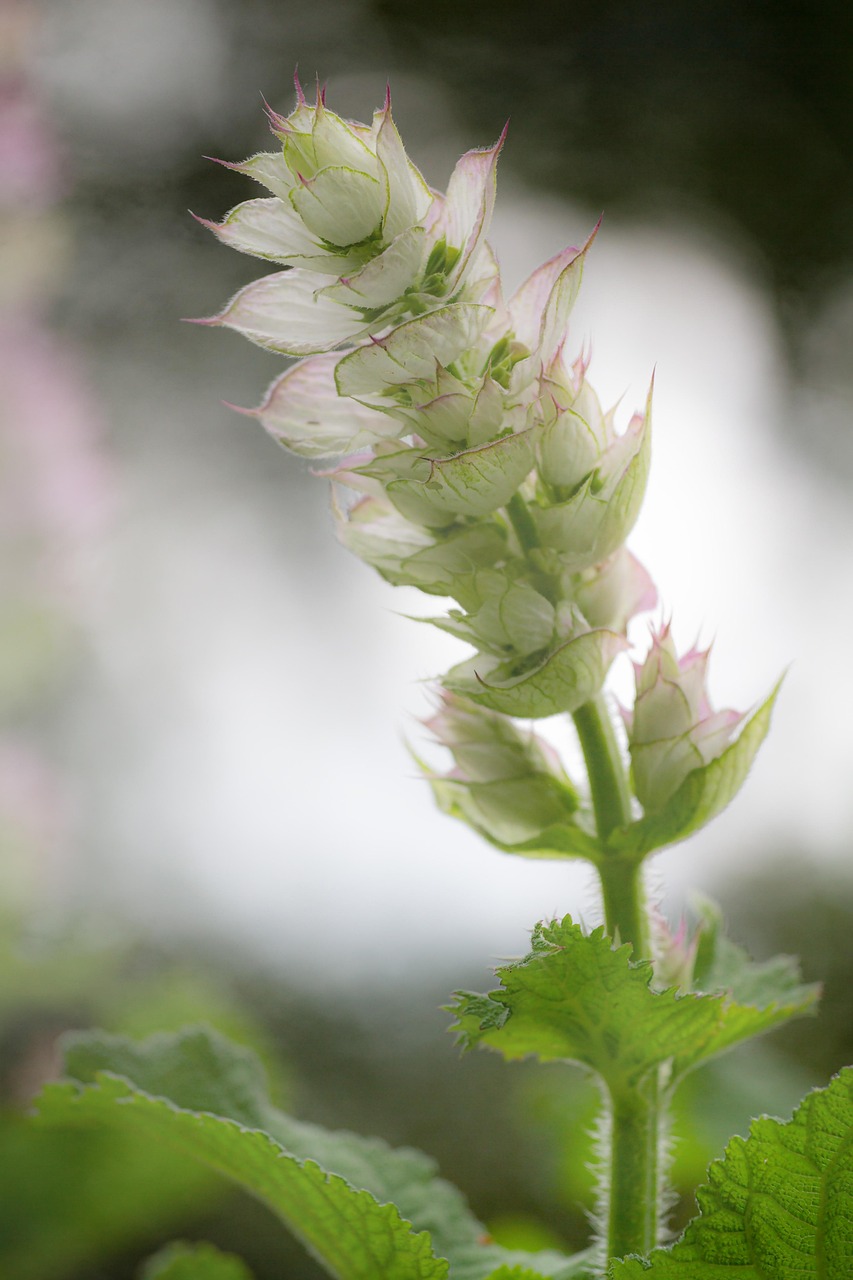
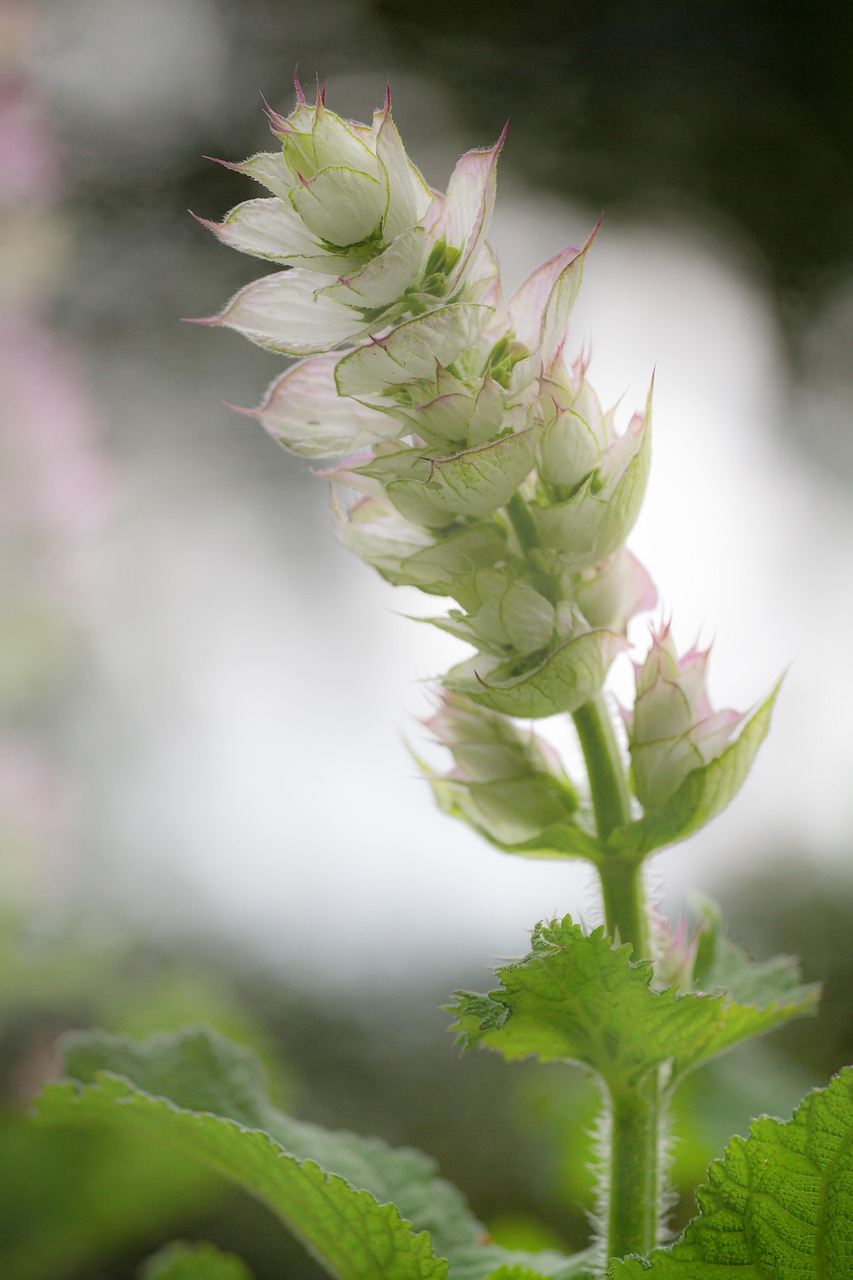
Salvia sclarea, commonly called clary sage, is a biennial or short-lived perennial native to the Mediterranean basin and parts of Central Asia. It grows vigorously in well-drained, sunny soils and can reach heights of 90 to 150 centimetres in its second year, when it finally blooms. Those blooms are the prize. The large, papery bracts and the small two-lipped flowers that emerge from them are where the plant concentrates its aromatic compounds.
The plant has a long folk history in European herbalism and perfumery, and its common name is thought to derive from the Latin clarus, meaning clear. For a fuller look at its botanical background and historical uses, see our complete guide to the muscatel herb. If you are curious about growing your own, we also have a detailed piece on growing clary sage from garden biennial to fragrant harvest.
The Harvest: Timing Is Everything
The quality of clary sage oil begins in the field, long before anything enters a still. Distillers and agronomists who work with Salvia sclarea pay close attention to the stage of bloom at harvest because the oil yield and chemical profile both shift depending on when the plant is cut.
Research published in plant chemistry literature suggests that the optimal harvest window for maximum linalyl acetate content (more on that compound shortly) falls during full flowering, when roughly 50 to 70 percent of the flower spikes are open. Harvesting too early, before the flowering tops have fully developed, can result in lower ester content and a thinner, less rounded scent. Harvesting too late, after the flowers begin to set seed, shifts the chemical profile toward less desirable constituents and reduces overall yield.
The flowering tops of Salvia sclarea are the primary plant material used in distillation. This term refers to the upper portion of the stalk: the flower spikes, bracts, calyxes, and any attached young leaves. Some distillers include the full aerial parts (stems and all), but higher-grade oils typically specify that only the flowering tops were used, since this plant material is richest in the aromatic compounds that define clary sage's character.
Harvesting usually happens in early to mid-summer. In Southern France and Bulgaria, the two regions most associated with commercial clary sage production, this often means June and July. The plant is cut close to the base, either by hand or by mechanical harvester, and ideally processed within a few hours to prevent fermentation and aromatic degradation.
Steam Distillation: The Core Process
The vast majority of commercially available clary sage oil is produced by steam distillation, a method that has been refined over many centuries but whose fundamental logic remains elegantly simple.
How Steam Distillation Works
- Loading the still. Freshly harvested plant material is packed into a large stainless steel vessel called a distillation chamber or alembic. The material is loaded loosely to allow steam to circulate evenly.
- Steam injection. Steam is either generated in a separate boiler and injected into the chamber, or the plant material sits above water that is heated directly beneath it. The steam passes through the plant material, causing the essential oil glands in the flowers and bracts to rupture and release volatile aromatic molecules.
- Vaporisation. The aromatic molecules, now carried in the steam, rise up and travel through a goose-neck pipe into a condensation coil. This coil is surrounded by cold water, which causes the vapour to condense back into liquid.
- Separation. The condensed liquid collects in a receiving vessel called a Florentine flask (or separator). Because essential oil and water do not mix, they separate naturally: the oil floats on top and is drawn off. The remaining water is called hydrosol, and in the case of clary sage it carries its own mild aromatic character and has uses in its own right.
The entire distillation run for clary sage typically lasts between one and two hours. Longer runs can extract additional material but may also alter the balance of lighter versus heavier aromatic compounds, so experienced distillers monitor the process carefully throughout.
Yield
Clary sage is not the most generous of crops when it comes to oil yield. Depending on the cultivar, growing conditions, and harvest timing, it typically takes somewhere between 100 and 150 kilograms of fresh plant material to produce one kilogram of essential oil. This relatively low yield is one reason why genuine, high-quality clary sage oil commands a fair price on the market.
Chemical Composition: What Is Actually in the Oil

Understanding the chemistry of clary sage oil helps explain both its distinctive sensory profile and the research interest it has attracted. The oil is a complex mixture of dozens of volatile compounds, but a handful dominate the profile.
Key Compounds
| Compound | Typical Range | Character |
|---|---|---|
| Linalyl acetate | 56 to 78% | Fruity, floral, slightly sweet; the compound most responsible for clary sage's signature muscatel note |
| Linalool | 7 to 24% | Floral, woody, fresh; widely studied in the context of sensory and aromatic research |
| Germacrene D | 2 to 8% | Woody, earthy, mildly spicy; contributes depth to the base note |
| Alpha-terpineol | 1 to 5% | Lilac-like, clean |
| Sclareol | Trace to 3% | Balsamic, musky; a diterpene alcohol unique to Salvia sclarea and a subject of ongoing research interest |
| Beta-caryophyllene | 1 to 4% | Spicy, woody, slightly peppery |
The ratio of linalyl acetate to linalool is often used as one quality benchmark. Oils with a high linalyl acetate percentage (above 65%) are generally considered premium grade for perfumery and cosmetic formulation, and they carry that characteristic sweet, wine-like quality that gives clary sage its muscatel reputation.
Research Observations
Linalool and linalyl acetate are two of the most-studied aromatic compounds in essential oil research. Some studies have observed that inhalation of linalool-dominant aromas may be associated with shifts in certain physiological markers, though researchers are careful to note that this is an area of active inquiry rather than settled science. Sclareol has attracted particular research attention because of its structural relationship to sclareolide, a compound used commercially as a precursor in the synthesis of certain fragrance molecules. Research suggests that sclareol content in the oil varies considerably depending on the chemotype of the plant and the distillation conditions used. None of these observations should be read as claims about the oil's effects on the body. They are simply observations about what is present and what researchers have noted when studying these compounds in isolation.
Quality Indicators: How to Assess What You Are Buying
Not all clary sage oil on the market represents the same quality. Here is what to look for when evaluating a supplier or product.
Botanical and Geographic Transparency
A reputable supplier will clearly state the Latin name (Salvia sclarea), the plant part used (flowering tops), the country of origin, and the extraction method (steam distillation). The country of origin matters because soil, climate, and cultivar selection all influence chemical composition. Bulgarian and French clary sage oils are widely regarded as benchmarks, though quality producers also operate in Russia, Morocco, and parts of Eastern Europe.
Gas Chromatography and Mass Spectrometry (GC/MS) Reports
A GC/MS report breaks down the chemical constituents of the oil with percentage values for each compound. This is the industry standard for verification. Any supplier worth trusting should make these reports available, either on request or openly published on their site. Look for linalyl acetate in the 56 to 78% range as a baseline indicator of a genuine, high-quality Salvia sclarea distillation.
Scent Profile
Genuine clary sage oil has a complex, evolving scent. The top notes are fresh and slightly green, opening into that characteristic muscat or wine-like sweetness. The dry-down is warmer, more balsamic and earthy. Oils that smell flat, overly sharp, or one-dimensionally floral may have been adulterated with synthetic linalyl acetate or blended with lower-cost materials.
Colour
High-quality clary sage oil is typically pale yellow to almost colourless. A notably green or dark colour can sometimes indicate the inclusion of significant leaf or stem material, which shifts the chemical profile.
Safety Profile and Contraindications
Clary sage oil has a well-documented safety profile when used appropriately, but that phrase carries real weight. Here is what informed use looks like.
Dilution
For topical application, the Research Institute for Fragrance Materials (RIFM) and the International Fragrance Association (IFRA) both publish safety guidelines for Salvia sclarea oil. A dilution of 1 to 2% in a carrier oil is the commonly recommended starting range for leave-on skin applications such as serums and body oils. For wash-off products, a slightly higher percentage may be acceptable. Always patch test before full application: apply a small amount of diluted oil to the inner forearm, leave for 24 hours, and observe for any reaction.
Photosensitivity
Clary sage oil is not considered a significant photosensitiser, which distinguishes it from some citrus-based oils. That said, it is always prudent to avoid direct sun exposure on freshly applied areas of skin as a general precaution.
Populations Who Should Exercise Caution
- During pregnancy. Clary sage oil is widely cited in aromatherapy literature as one to avoid during pregnancy, particularly in the first and second trimesters. Always consult a qualified healthcare provider before use during pregnancy or while nursing.
- Children. Essential oils should generally not be applied directly to the skin of young children without specific guidance from a healthcare provider. Keep all essential oils stored safely out of reach.
- Those with known sensitivities to linalool. Linalool can oxidise over time, and oxidised linalool is a more common sensitiser than fresh. This is one reason why proper storage matters significantly. For guidance on extending the shelf life of your oil, see our article on how to store clary sage oil.
None of the information above constitutes medical advice. Always consult a qualified healthcare provider before incorporating essential oils into your routine, particularly if you are pregnant, nursing, managing a health condition, or taking any medications.
From Field to Bottle: Why the Process Matters
Clary sage oil is one of those botanical extracts where every step in the production chain leaves a fingerprint on the final product. The harvest timing shapes the ester content. The distillation duration shapes the balance of lighter and heavier molecules. The geographic origin shapes the specific chemotype. And the storage conditions from the moment the oil leaves the still determine whether that carefully assembled chemistry stays intact or slowly degrades.
When you choose a supplier who can speak to each of these stages with specificity and transparency, you are not simply paying for a bottle of oil. You are paying for an auditable chain of decisions, each of which contributes to the scent, the consistency, and the quality of what eventually reaches your hands. That is what makes understanding the production process worth your time as a consumer, a formulator, or simply someone who wants to know exactly what they are using.