
The Muscatel Note: Clary Sage in Classic and Modern Perfumery
Few botanical ingredients have shaped fine fragrance as quietly and persistently as clary sage. Its contribution is rarely the loudest voice in a composition, but perfumers have relied on it for centuries precisely because of what it does to a blend: it softens, it bridges, it adds a quality that is simultaneously earthy and luminous. That quality has a name in the trade. It is called the muscatel note, and understanding it means understanding the chemistry, the botany, and the sourcing decisions that make clary sage in perfume one of the most nuanced raw material choices available.
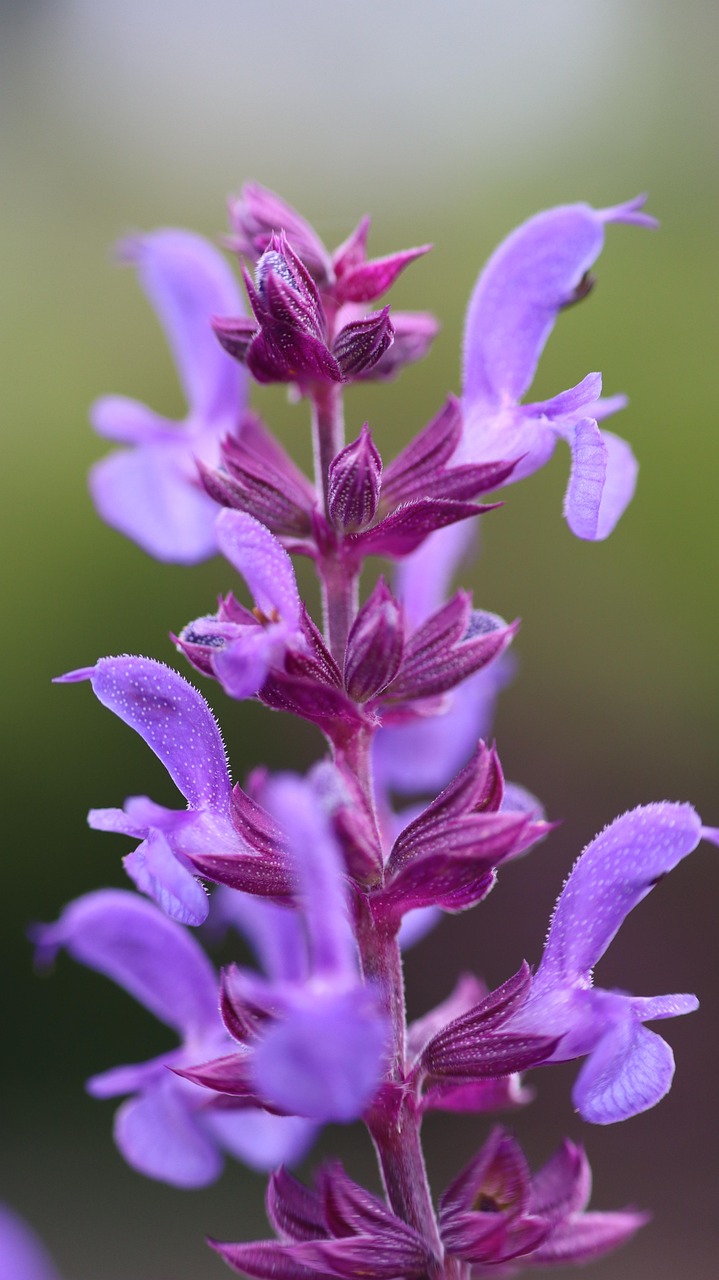
For a broader foundation on the plant itself, the complete guide to the muscatel herb covers botany, cultivation history, and regional growing traditions in detail. This article focuses specifically on what happens inside the oil and why it matters to fragrance formulation.
What Is the Muscatel Note?
The term muscatel refers to the wine grape variety Muscat, and the sensory parallel is apt. Muscat wines carry a sweet, floral, slightly musky aromatic character that comes from a family of compounds called monoterpene alcohols and their esters. Clary sage essential oil shares several of those aromatic building blocks, which is why a good Provençal clary sage oil can evoke dried fruit, warm flowers, and something faintly earthy all at once.
In classical perfumery language, the muscatel descriptor sits at the intersection of the floral, green, and amber facets. It is neither purely sweet nor purely dry. That ambiguity is its utility: the muscatel note can anchor a floral heart without sweetening it to excess, and it can give a woody or resinous base just enough lift to keep the composition breathing.
Chemical Composition: The Compounds Behind the Character
Clary sage oil is a complex mixture, and its aromatic personality is not the product of a single molecule. Research consistently points to a handful of key constituents that dominate both the chemical profile and the olfactory character of the oil.
Linalyl Acetate
This ester is typically the dominant compound in high-quality clary sage oil, often comprising between 60 and 75 percent of the total composition depending on harvest timing, distillation method, and origin. Linalyl acetate has a fresh, fruity-floral scent with a slightly herbaceous edge. It is also a principal component of bergamot and lavender, which helps explain why clary sage blends so naturally with both.
Research suggests that the ester content of clary sage oil is closely tied to the developmental stage of the flowering tops at harvest. Oils distilled from plants in full bloom tend to show higher linalyl acetate concentrations than those distilled earlier or later in the growth cycle. For perfumers sourcing raw materials, this makes harvest documentation an important quality indicator.
Linalool
The free alcohol form, linalool, typically makes up 10 to 20 percent of the oil. It contributes a softer, rounder floral quality and is widely studied in aroma research. Some research observations suggest linalool may influence the way a blend evolves on the skin, particularly in its opening minutes, because of the way it interacts with skin temperature and other volatile compounds in a formula.
Sclareol and the Ambergris Connection
Sclareol is a diterpene alcohol found primarily in the concrete and absolute of clary sage rather than in the steam-distilled essential oil, because its molecular weight is too high to carry over efficiently in steam. It is, however, one of the most commercially significant compounds the plant produces.
Sclareol serves as a key precursor in the synthesis of Ambrox (also sold as Ambroxan), a powerful ambergris-effect molecule that has become foundational in modern perfumery. The musky, skin-like warmth of countless contemporary fragrances traces back, at least partly, to sclareol derived from clary sage biomass. This gives the plant an outsized commercial importance in the fragrance industry that goes well beyond what a simple sniff of the essential oil might suggest.
Germacrene D and Minor Sesquiterpenes
Several sesquiterpene compounds appear in smaller percentages and contribute to the earthy, slightly woody depth of the oil. Germacrene D is among the more consistently identified. These minor constituents are part of what separates a complex, characterful clary sage oil from a simpler or reconstituted version.
Clary Sage in Classic Perfumery
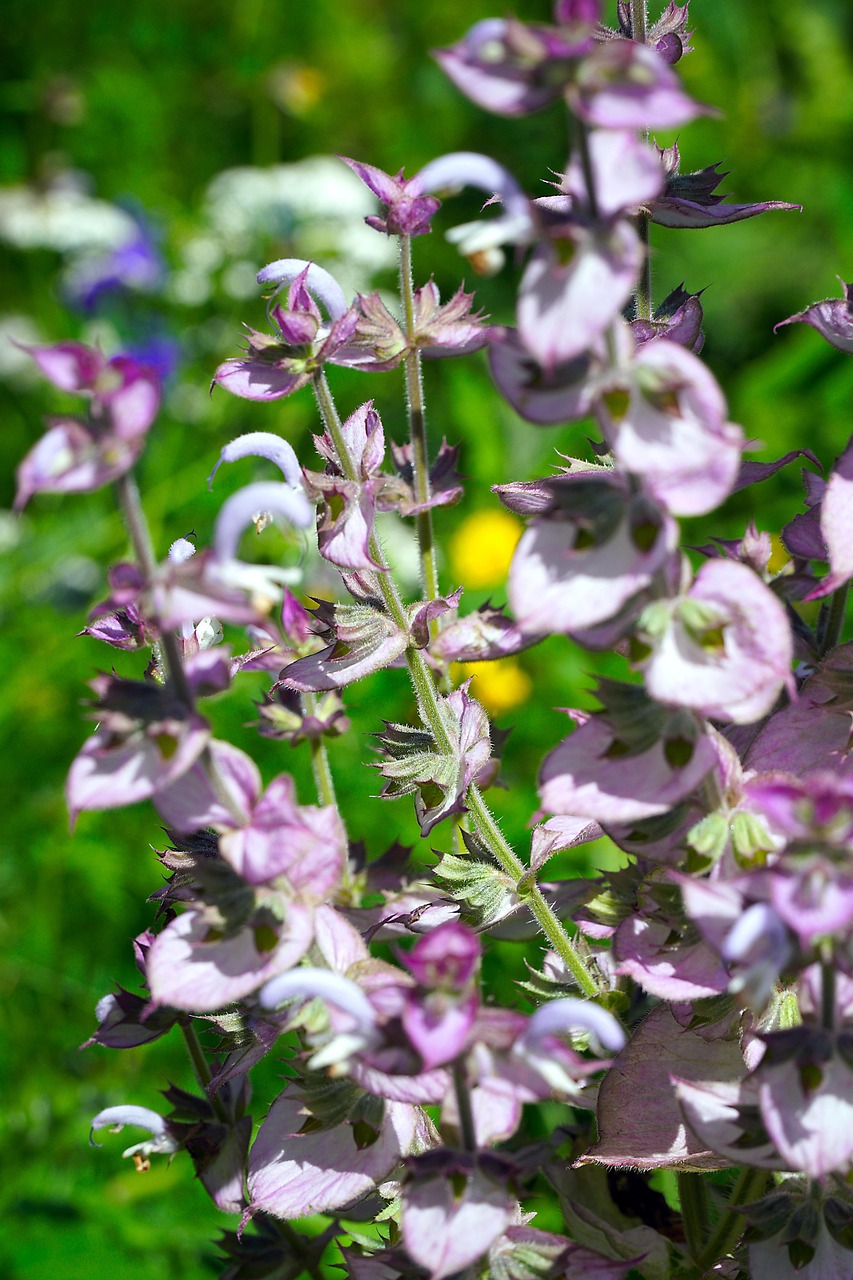
The historical use of Salvia sclarea in fragrance predates the modern perfume industry by several centuries. European distillers in the 16th and 17th centuries were already working with clary sage, and the plant's common name itself carries a linguistic trace of its aromatic reputation: the Middle Latin sclarea is thought to derive from clarus, meaning clear or bright, a reference to traditional folkloric associations with visual clarity.
In the classical French perfumery tradition, clary sage appeared most often in the fougère and chypre families. Its herbal-floral character complemented oakmoss, coumarin, and lavender in fougères, while its earthy warmth added body to chypre structures built around labdanum, bergamot, and oakmoss. The muscatel note gave these compositions a naturalistic credibility that synthetic substitutes of the era could not easily replicate.
Grasse, the historical capital of French perfumery, was never a major clary sage cultivation center, but the surrounding regions of Provence and the Drôme became significant growing areas as demand from the fragrance industry expanded through the 19th and early 20th centuries. For more on what the finished oil actually smells like across different origin regions, the full scent profile guide walks through the sensory vocabulary in detail.
Clary Sage in Modern Perfumery
Contemporary perfumers use clary sage in ways that would be recognizable to their predecessors, but the range of application has expanded considerably. The muscatel note now appears in contexts far outside the classic fougère and chypre structures.
In aromatic masculines, clary sage bridges the gap between crisp herbal top notes and warmer woody bases. Its linalyl acetate content gives it a kinship with lavender that perfumers exploit deliberately, using clary sage to add complexity and longevity to compositions that might otherwise feel one-dimensional. Clary sage is also drier and less sweet than lavender on the nose, which makes it useful when a perfumer wants the floral-herbal register without the softness that lavender implies.
In modern feminines, particularly those in the green floral category, clary sage supports iris, violet, and rose notes without competing with them. Its earthiness grounds aerial floral constructions. In niche perfumery, where naturalistic complexity is often a design goal, clary sage appears with increasing frequency as a featured rather than supporting ingredient.
The growth of sustainable fragrance formulation has also renewed interest in clary sage as a sclareol source. As regulatory pressure on synthetic musks has grown and consumer interest in naturally-derived aroma chemicals has increased, the crop's dual utility, providing both essential oil for direct use and biomass for sclareol extraction, has made it economically significant in ways that reinforce cultivation investment.
Sourcing and Quality Indicators
Not all clary sage oils perform identically in fragrance applications, and the differences between a mediocre and an exceptional oil can be significant enough to affect a formula's final character. Several factors guide quality evaluation.
Origin
France (particularly the Drôme and Provence regions), Bulgaria, and Russia are the primary commercial production regions. French oils are generally considered the benchmark for fine fragrance use, with a profile that tends toward higher linalyl acetate content and a cleaner, more refined character. Bulgarian oils are also respected and often offer strong value. Oils from other origins can vary considerably and warrant careful evaluation before use in premium formulations.
Gas Chromatography Data
Reputable suppliers provide gas chromatography/mass spectrometry (GC/MS) reports for each batch. For clary sage in perfumery, look for linalyl acetate content in the 60 to 75 percent range as a general quality marker. Oils with significantly lower ester content may have been harvested at the wrong stage, incorrectly stored, or adulterated.
Distillation Method and Plant Material
Steam distillation of fresh flowering tops is the standard method for high-quality essential oil production. Some producers distill from partially dried material to reduce transport costs, which can affect the top-note freshness of the resulting oil. Asking suppliers about their distillation practices is a reasonable part of due diligence for fragrance-grade sourcing.
Essential Oil vs. Absolute vs. Fragrance Oil
For perfumers working in the natural sector, it is worth understanding that clary sage is available not only as an essential oil but also as a concrete and absolute, which carry sclareol and heavier resinous compounds not present in the steam-distilled oil. These materials have different aromatic characters and different applications. If you are working primarily with synthetic or blended fragrance ingredients, the considerations shift further still. The comparison of clary sage fragrance oil versus essential oil covers those distinctions in practical terms.
Safety Profile and Contraindications
Clary sage essential oil has a well-documented safety profile in professional fragrance and cosmetic use, but responsible formulation requires understanding its limitations.
Skin Safety and Dilution
Clary sage essential oil is generally considered safe for topical use at recommended dilution levels. The International Fragrance Association (IFRA) and the Research Institute for Fragrance Materials (RIFM) have evaluated the oil and its key constituents. For leave-on skin applications such as fine fragrance or body lotions, working within established industry dilution guidelines is standard practice. Always conduct a patch assessment before applying a new formulation to larger skin areas.
Sensitization Potential
Linalool, one of clary sage oil's major constituents, is a known potential sensitizer when oxidized. Properly stored oil with antioxidant additions (such as vitamin E) and regular turnover reduces this risk in formulation. Storage in a cool, dark environment with minimal air exposure extends the useful life of the oil and preserves its aromatic character.
Pregnancy and Specific Populations
Many aromatherapy references recommend that people who are pregnant avoid clary sage essential oil, citing traditional cautions around its use. Anyone in this category, or anyone with specific health circumstances, should consult a qualified healthcare provider before using products containing clary sage oil.
Avoid Internal Use
This article addresses cosmetic and aromatic applications only. Essential oils are not intended for internal consumption. Do not ingest clary sage essential oil.
Why the Muscatel Note Endures
The staying power of clary sage in perfumery reflects something that the fragrance industry has learned over centuries of working with natural materials: chemical complexity is difficult to replace. A single molecule can approximate a facet of the muscatel note, but the interplay of linalyl acetate, linalool, sesquiterpenes, and dozens of minor trace compounds creates a sensory depth that synthetic reconstruction tends to flatten.
That depth is what makes clary sage perfumery a field worth understanding in detail, whether you are a fragrance formulator, a cosmetic chemist, a curious consumer, or someone building a personal aromatics practice. The muscatel note has outlasted fashion cycles, regulatory upheaval, and the rise of synthetic chemistry precisely because it offers something that is genuinely difficult to replicate: the organized complexity of a living plant, concentrated and made useful.