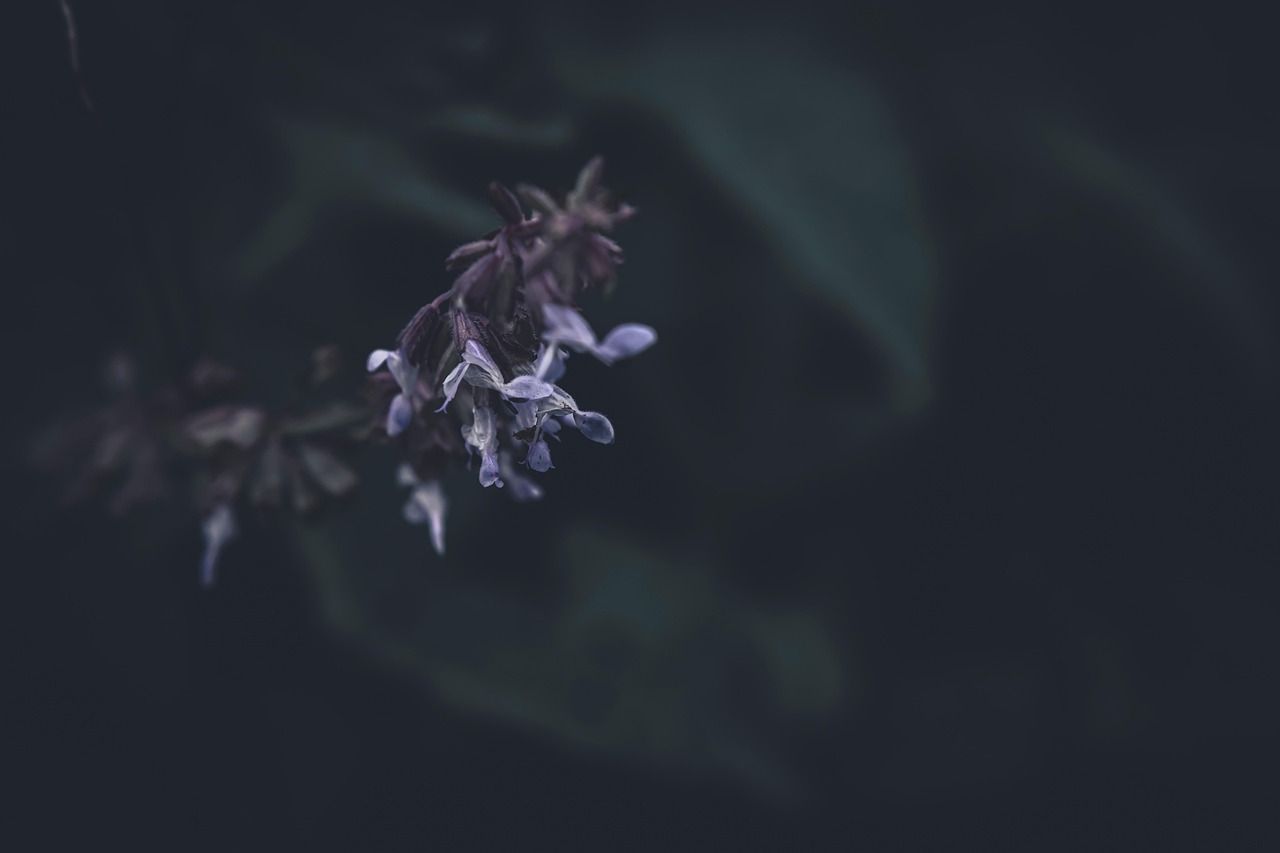
Clary Sage Oil for Hair and Skin: The Complete Cosmetic Care Guide
Key Takeaways
- Clary sage essential oil is distilled from Salvia sclarea and brings a rich, herbaceous-musty scent that anchors both hair and skin formulations beautifully.
- Like all essential oils, it must be diluted in a carrier oil before any skin or scalp contact. A safe general dilution is 1–2% for facial use and 2–3% for scalp and body blends.
- Its main constituents, linalyl acetate and linalool, are the subject of ongoing cosmetic research and are widely used in prestige fragrance and skincare formulations.
- Quality varies considerably between suppliers. Cold-region European distillates (France, Bulgaria, Russia) are generally considered benchmark quality.
- Patch testing is essential before any new topical application.
- Clary sage is not a substitute for medical advice or professional dermatological care.
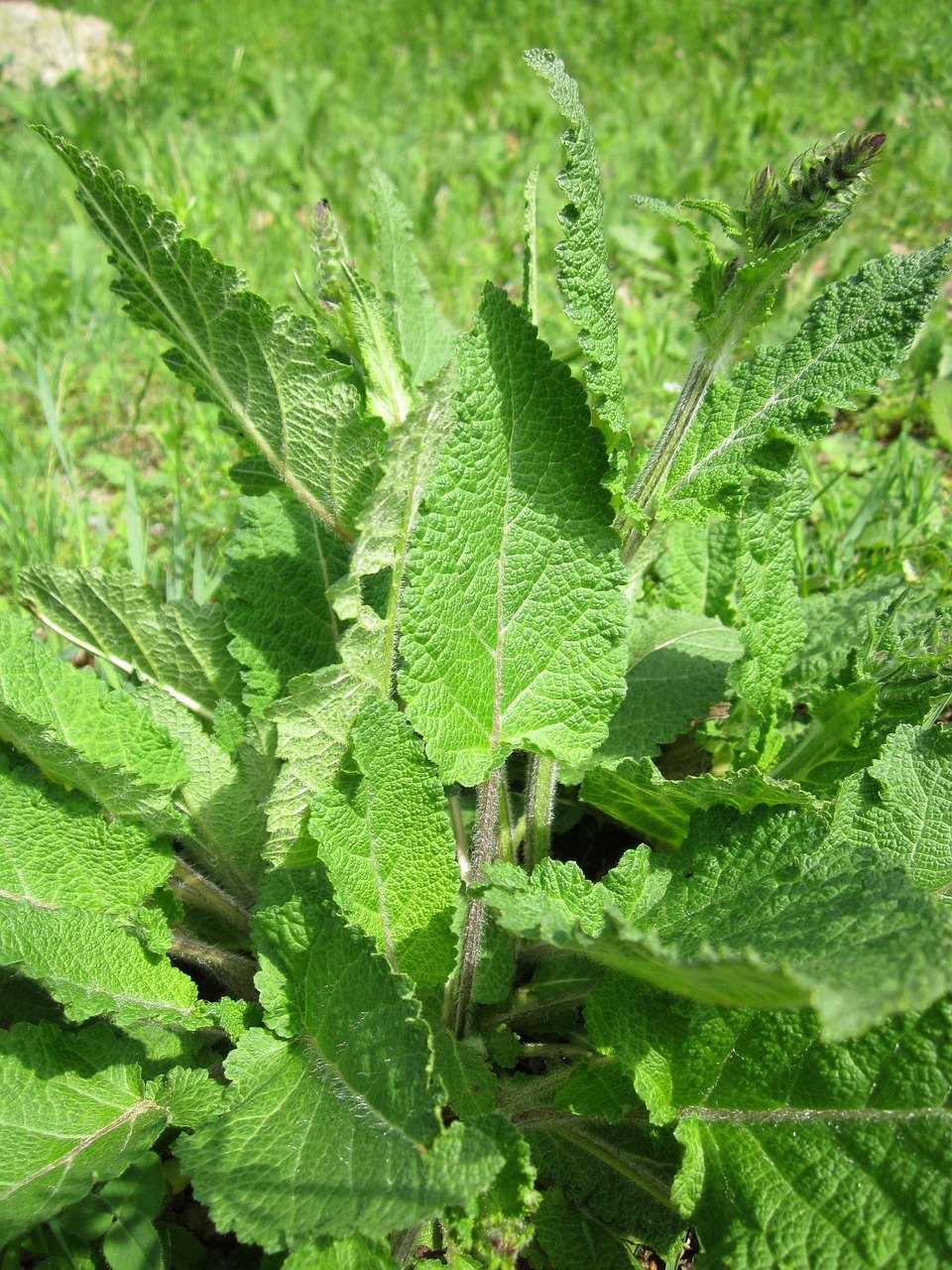
What Is Clary Sage Oil? A Quick Botanical Primer
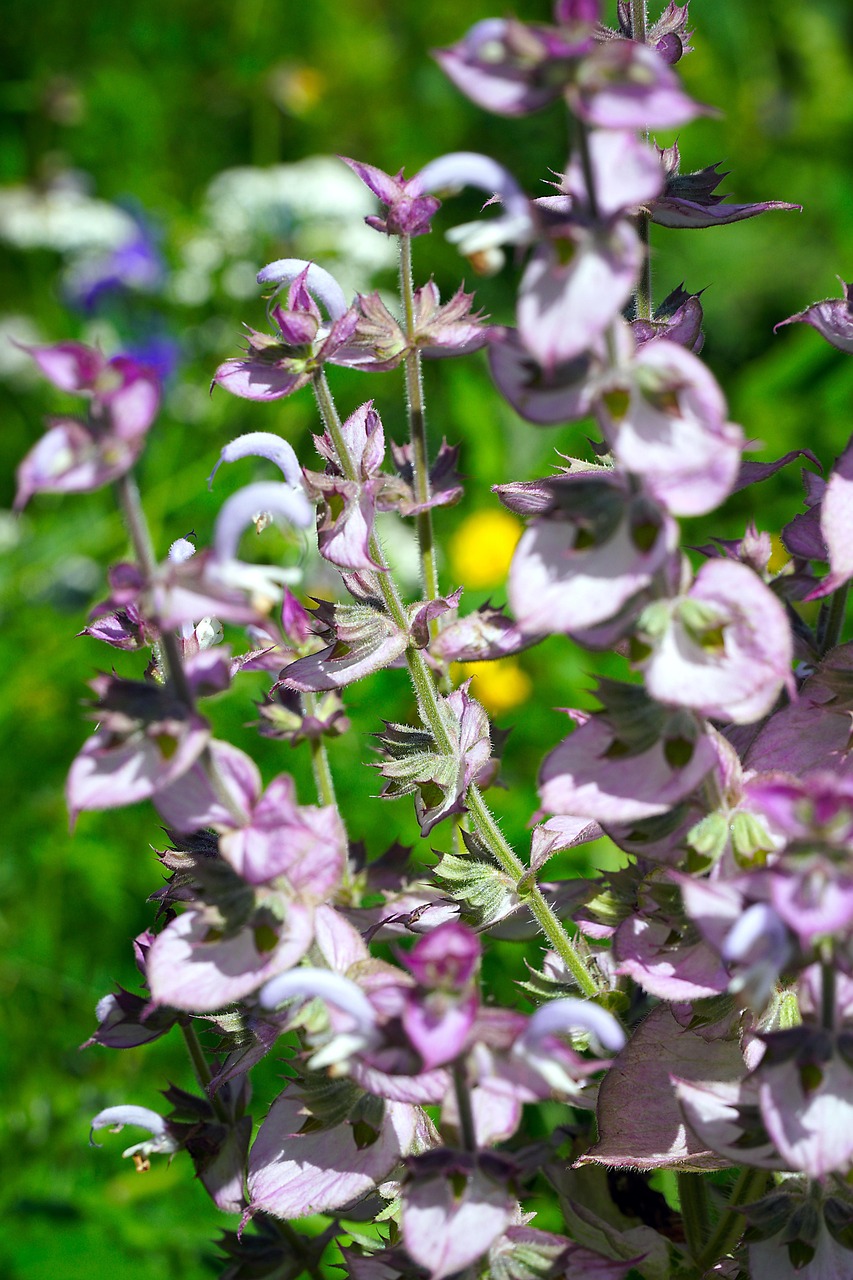
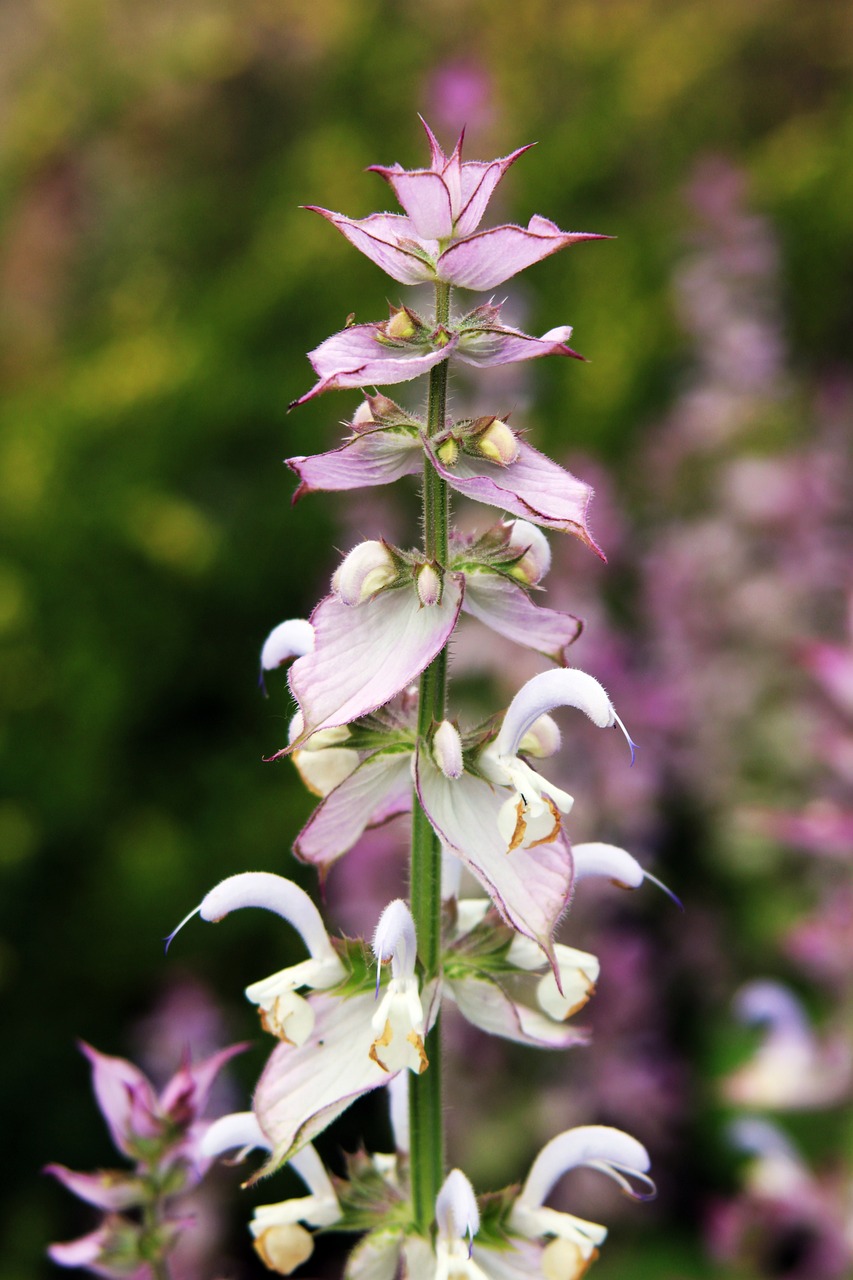
Clary sage oil comes from Salvia sclarea, a biennial herb native to the Mediterranean basin and Central Asia. The plant grows tall, sometimes reaching five feet, and produces dramatic whorls of pale lavender-pink flowers surrounded by papery bracts. Steam distillation of the flowering tops and leaves yields the essential oil, a pale yellow-to-colourless liquid with one of the more distinctive scent profiles in the essential oil world.
The aroma sits at an interesting crossroads: herbal, slightly earthy, with a warm, almost nutty-musky depth. It is less sharp than common sage (Salvia officinalis) and more complex than lavender. Perfumers have long valued it as a fixative in chypre and fougère compositions. In cosmetic formulation, that same complexity gives blends a distinctive character that straightforwardly floral oils simply cannot replicate.
How It Differs from Common Sage
This distinction matters practically. Common sage oil contains high levels of thujone, a ketone with a documented potential for neurotoxicity at elevated exposure. Clary sage, by contrast, is dominated by linalyl acetate (often 65–75% of the composition) and linalool, the same pair that gives lavender much of its cosmetic appeal. This makes clary sage a significantly gentler option for topical cosmetic use, though all standard essential oil safety protocols still apply.
Where the Best Oil Comes From
France (particularly the Drôme and Vaucluse regions), Bulgaria, and parts of Russia and Ukraine produce the most consistently cited benchmark oils. The cool growing conditions and long days encourage high linalyl acetate content, which correlates with the smooth, rounded scent profile that formulators prefer. Oils from warmer climates sometimes skew toward sharper, more herbaceous notes and a different ester ratio. For cosmetic purposes, origin genuinely influences character.
For more on evaluating sourcing claims and what organic certification actually means for essential oils, see our guide on whether organic clary sage essential oil is worth the upgrade.
Clary Sage Oil for Skin: What the Research Suggests
Interest in clary sage essential oil benefits for skin has grown steadily in the cosmetic industry, driven partly by consumer demand for botanically sourced actives and partly by the genuine presence of interesting chemical constituents. It is worth being precise about what the current body of research does and does not show.
Linalyl Acetate and Linalool: The Key Cosmetic Constituents
Linalyl acetate is an ester with a well-documented place in fragrance safety literature. Some in-vitro research has looked at its interaction with skin cells, and early findings suggest it may support a softer, more comfortable skin feel when applied in appropriate dilutions. Linalool is similarly well-studied in the fragrance context; it is among the most common aromatic constituents in cosmetic products globally.
Neither of these compounds should be thought of as a drug-like active. Their contribution to clary sage oil for skin is more about sensory quality, blendability, and the kind of subtle, long-term skin-feel improvements that botanical cosmetic users often report after consistent use. Research is ongoing and promising, but conclusions are preliminary.
Skin Feel and Surface Effects
At correct dilutions in a suitable carrier, users commonly describe a skin feel that reads as balanced rather than heavy or stripping. Some report that their skin looks less visibly shiny after consistent use in a facial oil blend, though individual results vary considerably depending on skin type, the carrier used, and the overall formulation.
People with combination and oily-leaning skin types are often the ones who write most enthusiastically about clary sage in their facial oil routines. That said, those with drier skin types also find it useful when paired with richer carriers like rosehip or marula. The oil itself is not heavy; it is the carrier that largely determines texture.
Clary Sage in Facial Formulations
In finished cosmetic products, clary sage appears most often in facial serums, cleansing balms, and toning mists. It blends elegantly with other botanical extracts and carries forward its scent in a way that does not overwhelm, making it a good choice for formulators who want a herbaceous note without sharpness.
DIY formulators often combine it with frankincense, geranium, or rosemary for facial blends aimed at a more refined, even-looking skin surface. These combinations are largely about scent layering and the complementary properties of the carriers and other oils involved, not any single active ingredient doing heavy lifting on its own.
For a focused exploration of what this oil brings to a skincare routine, visit our detailed article on clary sage oil for skin and gentle botanical care.
Sclareol: A Compound Worth Knowing
Clary sage also contains sclareol, a diterpene alcohol found in the plant's flowering tops. Sclareol appears in the perfumery literature as a fixative with an ambergris-adjacent character, and it has attracted some research interest in the cosmetic science world. It is present in relatively small amounts in the distilled essential oil but is more concentrated in the concrete and absolute forms sometimes used in prestige fragrance.
While the research on sclareol is early-stage and not yet sufficient to make cosmetic efficacy claims, its presence adds another layer of interest to clary sage as a botanical ingredient. It is one of the reasons the oil smells the way it does: richer and more lasting on skin than many other herbaceous oils.
Clary Sage Oil for Hair: Shine, Scalp Care, and More
The conversation around clary sage oil for hair tends to focus on two things: the scalp environment and the surface quality of the hair shaft itself. These are related but distinct cosmetic goals, and clary sage addresses each in different ways.
Scalp Care and the Case for Botanical Oils
A comfortable, balanced scalp is the foundation of visibly healthy-looking hair. Many people find that their scalp environment feels more settled and less prone to visible flaking or oiliness when they incorporate botanical oil blends into a weekly scalp ritual. Clary sage is one of the more frequently mentioned oils in this context, partly because of its constituent profile and partly because its scent makes the ritual feel genuinely pleasant.
The scalp is skin, and it responds to topical care the way skin does. Consistent application of well-formulated botanical blends may support a scalp surface that feels more comfortable and less reactive over time. Anecdotal reports from regular users suggest improvements in scalp feel and in the overall appearance of hair grown from a well-cared-for scalp.
For a step-by-step scalp ritual using clary sage, see our guide on making a DIY clary sage scalp oil for a refreshed, comfortable scalp.
Hair Shaft and Surface Benefits
When used in a pre-shampoo oil treatment or a leave-in serum (at very low concentrations), clary sage may contribute to a surface finish on the hair that reads as shinier and more defined. This is partly a function of how oils interact with the hair cuticle: they can smooth and coat the outer layer, reducing light-scattering roughness and producing more directional light reflection, which the eye reads as shine.
It is worth noting that this effect is largely mechanical and cosmetic in nature. Essential oils are volatile and do not deeply penetrate the cortex of the hair shaft. Their primary value in hair care is aromatic, and in supporting the surface quality and scalp feel as part of a well-formulated blend with appropriate carrier oils.
Clary Sage Benefits for Hair: What Users Report
People who incorporate clary sage oil benefits for hair into their routines most commonly report:
- A scalp that feels less tight or uncomfortable after weekly oil treatments
- Reduced visible scalp flaking when used consistently over several weeks
- A pleasant, lasting herbaceous scent that lingers mildly in the hair
- Hair that appears to have more body and definition, particularly with wavy and curly textures
- A pre-shampoo treatment that makes the subsequent wash feel more thorough
Individual results vary, and these are user-reported observations rather than clinically established outcomes. Hair texture, water quality, overall hair care routine, and the specific carrier oils used all influence what any individual experiences.
Best Hair Types for Clary Sage
Clary sage tends to work particularly well in routines for:
- Oily scalp types: Its balanced, non-heavy character means it is less likely to add to surface greasiness when properly diluted
- Curly and coily textures: Works well in pre-poo treatments and curl-defining serums, especially when paired with lighter carriers
- Fine hair: At low dilutions in a lightweight carrier like squalane or fractionated coconut oil, it does not weigh hair down
- Colour-treated hair: There is no evidence it interferes with colour; it works well in the kind of gentle, oil-based treatments that colour-treated hair often responds to positively
For a detailed exploration of shine and body benefits specifically, read our focused piece on clary sage oil for hair: cosmetic care for shine and body.
DIY Recipes: Blends for Hair and Skin at Home
Making your own clary sage blends at home is satisfying and straightforward, provided you follow proper dilution guidelines. The recipes below are designed for cosmetic use. Always perform a patch test before first use, and consult a qualified healthcare provider if you have any concerns.
Safety note: Essential oils must always be diluted before skin contact. Never apply clary sage oil neat (undiluted) to skin or scalp. If you are pregnant, nursing, taking any medication, or have a diagnosed skin condition, consult a healthcare professional before using essential oil blends. Keep all blends away from eyes and mucous membranes.
Recipe 1: Everyday Facial Oil for Combination Skin
This blend aims for a 1% dilution, appropriate for daily facial use on most adult skin types.
| Ingredient | Amount | Notes |
|---|---|---|
| Jojoba oil | 25 ml | Primary carrier; closely mimics skin's natural sebum structure |
| Squalane | 10 ml | Lightweight and non-comedogenic; adds silkiness |
| Rosehip seed oil | 5 ml | Adds richness; high in linoleic acid |
| Clary sage essential oil | 8 drops | Approx. 1% in 40 ml total |
| Frankincense essential oil | 4 drops | Complementary scent; rounds the herbaceous note |
| Geranium essential oil | 4 drops | Bridges the herbal and floral elements |
Method: Combine carrier oils in a 40 ml dark glass bottle. Add essential oils. Cap and roll gently between palms to blend. Apply 3–5 drops to clean, slightly damp skin morning or evening.
Patch test: Apply a small amount to the inner wrist. Wait 24 hours before full facial use.
Recipe 2: Pre-Shampoo Scalp Ritual Oil
This is a 2.5% dilution blend, suitable for scalp use on most adults. Apply 30–60 minutes before shampooing.
| Ingredient | Amount | Notes |
|---|---|---|
| Fractionated coconut oil | 30 ml | Lightweight, stays liquid, absorbs reasonably well |
| Sweet almond oil | 10 ml | Adds slip for scalp massage; avoid if nut allergies present |
| Clary sage essential oil | 16 drops | Primary active; approx. 2% of total volume |
| Rosemary (ct. camphor) essential oil | 8 drops | Classic scalp companion; invigorating scent |
| Cedarwood (Atlas) essential oil | 4 drops | Woody, grounding base note; pairs well with clary sage |
Method: Combine in a 40 ml dark glass dropper bottle. Part hair in sections and apply drops directly to scalp. Massage gently with fingertips for 5 minutes. Leave for at least 30 minutes (or overnight with a cap), then shampoo thoroughly.
Note: Avoid sweet almond oil if you have tree nut sensitivities. Substitute with fractionated coconut oil at equal volume.
Recipe 3: Hair Gloss Serum for Frizz and Shine
A very light leave-in serum for hair ends and mid-lengths. Use sparingly: 2–3 drops on damp hair.
| Ingredient | Amount | Notes |
|---|---|---|
| Squalane | 30 ml | Exceptional slip without weight; ideal for fine hair |
| Argan oil | 10 ml | Adds gloss; high oleic acid content |
| Clary sage essential oil | 8 drops | Approx. 1% in total; keeps fragrance subtle for a leave-in |
| Ylang ylang essential oil | 4 drops | Rich floral note; use sparingly as it can overwhelm |
Method: Blend in a 40 ml amber glass dropper bottle. Shake gently before use. Apply to ends of towel-dried hair only. Do not apply to scalp with this formula.
Recipe 4: Evening Body Oil for Skin Softness
A 2% full-body dilution blend for use after bathing.
| Ingredient | Amount | Notes |
|---|---|---|
| Sweet almond oil | 45 ml | Classic body carrier; good slip and absorption |
| Jojoba oil | 25 ml | Extends shelf life; adds stability |
| Clary sage essential oil | 24 drops | Approx. 2% in 70 ml total |
| Lavender essential oil | 12 drops | Bridges clary sage's herbal depth; well-tolerated by most |
| Bergamot essential oil (bergapten-free) | 6 drops | Use only bergapten-free (FCF) version to avoid photosensitivity |
Method: Combine in a 100 ml dark glass bottle. Apply to slightly damp skin after bathing. Avoid sun exposure after application if using non-FCF citrus oils.
Safety, Dilution, and Patch Testing
This section covers the practical safety information that should accompany every clary sage application. It is not optional reading. Essential oil safety is straightforward once you understand the core principles, but skipping these steps creates real risk.
Dilution Guidelines at a Glance
| Application Area | Recommended Dilution | Drops per 10 ml carrier |
|---|---|---|
| Face (daily use) | 0.5–1% | 3–6 drops |
| Face (occasional use) | 1–2% | 6–12 drops |
| Scalp | 2–3% | 12–18 drops |
| Body | 2–3% | 12–18 drops |
| Bath (added to dispersant) | 1% | 6 drops in dispersant, not directly in water |
These figures follow guidelines from the International Fragrance Association (IFRA) and are consistent with recommendations from the National Association for Holistic Aromatherapy (NAHA). For children, older adults, and those with sensitive skin, use the lower end of each range or reduce further.
How to Patch Test Properly
- Prepare your blend at the intended dilution in the intended carrier.
- Apply a small amount (about the size of a 10-pence piece) to clean skin on the inner forearm.
- Do not wash the area for 24 hours.
- Check at 24 hours for any redness, itching, swelling, or other response.
- If any reaction occurs, discontinue use and consult a healthcare provider.
- If no reaction occurs, the blend is likely well-tolerated by your skin at that dilution.
A patch test on one area does not guarantee there will be no reaction elsewhere on the body. Facial skin, particularly around the eyes, tends to be more sensitive than forearm skin.
Specific Contraindications and Cautions
- Pregnancy and nursing: Avoid clary sage oil during pregnancy. Consult a qualified healthcare professional before using any essential oil if you are pregnant or nursing.
- Children: Essential oil use on children requires extra caution and lower dilutions. Consult a paediatric healthcare provider before use on children under 10.
- Alcohol consumption: Some aromatherapy literature notes that clary sage and alcohol may interact. Avoid combining the two on the same day.
- Photosensitivity: Clary sage itself is not considered a photosensitising oil, but many oils it is commonly blended with (citrus oils, especially cold-pressed bergamot) are. Check each oil in your blend.
- Existing skin concerns: If you have a diagnosed skin condition of any kind, consult a dermatologist before adding new topical oils to your routine.
This guide is educational and intended for cosmetic use only. Always consult a qualified healthcare provider with any health-related concerns. This content does not constitute medical advice.
Sourcing and Quality: How to Read a Clary Sage Label
Quality in essential oils is not a minor detail. The chemical composition, and therefore the scent and cosmetic character, of clary sage oil varies considerably depending on growing location, harvest timing, distillation method, and post-distillation handling. Knowing what to look for protects both your investment and your skin.
What a Trustworthy Label Includes
A reputable clary sage oil label should clearly state:
- Botanical name: Salvia sclarea. If a label says only "clary sage" without the Latin name, that is a minor red flag worth noting.
- Country of origin: France, Bulgaria, and Russia are the most respected sources. Not all suppliers list this; the ones who do are generally more transparent overall.
- Extraction method: Should be steam distillation for a true essential oil. Solvent-extracted products are absolutes or concretes, which have different applications and safety profiles.
- Part of plant: Flowering tops and leaves are standard. This affects the ester content significantly.
- GC/MS testing availability: Gas chromatography/mass spectrometry testing verifies the chemical composition. Suppliers who make this data available for each batch are operating at a higher standard of transparency.
- Batch number and best-before date: Essential oils oxidise over time, and oxidised oils can cause skin sensitisation. Knowing when an oil was distilled or first opened matters.
Organic Certification: What It Does and Does Not Mean
Organic-certified clary sage oil is grown without synthetic pesticides or fertilisers and processed under standards certified by a recognised body (such as the Soil Association in the UK or USDA Organic in the US). For a plant-derived cosmetic ingredient applied directly to skin, this is a meaningful distinction for many users.
That said, organic certification does not automatically guarantee superior scent or higher linalyl acetate content. A well-grown conventional crop from an experienced French distiller may produce a finer oil than a poorly managed organic plot elsewhere. Ideally, you want both: certified organic origin and a supplier who provides GC/MS data.
We explore this question in more depth in our article on organic clary sage essential oil and whether it is worth the upgrade.
Shelf Life and Storage
Clary sage oil has a reasonable shelf life of around 3–4 years when stored correctly. Keep it in a dark glass bottle (amber or cobalt), away from heat and direct light, with the cap tightly secured. Refrigeration extends life further for oils you use infrequently.
An oxidised clary sage oil smells noticeably different: sharper, more chemical, less rounded. If your oil no longer smells like the warm, herbaceous-musky scent you purchased, it has likely begun to oxidise and should be retired from skin use.
Carrier Oil Pairings That Work Well with Clary Sage
The carrier oil in any essential oil blend does far more than dilute. It determines the texture, absorption rate, shelf life, and a significant portion of the skin or hair feel of the finished product. Choosing the right carrier for clary sage is worth the same attention as choosing the oil itself.
For a comprehensive breakdown of carrier options, see our guide on the best carrier oils to pair with clary sage for cosmetic care. Here is a summary of the most useful pairings.
For Facial Use
| Carrier Oil | Skin Type Best Suited To | Character |
|---|---|---|
| Jojoba | Most types, including oily-combination | Technically a liquid wax; non-comedogenic; excellent shelf stability |
| Squalane | All types, especially sensitive | Extremely lightweight; near-odourless; does not oxidise |
| Rosehip seed | Mature or dull-looking skin | High linoleic acid; oxidises relatively quickly; refrigerate |
| Marula | Drier skin types | Luxurious texture; high oleic acid; absorbs quickly |
| Hemp seed | Oily or combination prone to congestion | Balanced fatty acid profile; slightly green-herbaceous scent complements clary sage |
For Hair and Scalp Use
| Carrier Oil | Hair Type Best Suited To | Character |
|---|---|---|
| Fractionated coconut oil | Fine to medium; oily scalp types | Stays liquid; very lightweight; good penetration into hair shaft |
| Argan oil | Dry, frizzy, or colour-treated | High oleic acid; exceptional surface gloss; light scent |
| Sweet almond | Normal to dry hair; all scalp types | Affordable and versatile; good slip for scalp massage |
| Castor oil (blended) | Thicker or denser textures | Very thick; use at 10–15% mixed with a lighter carrier, not alone |
| Baobab oil | Curly, coily, high-porosity | Rich and nourishing; absorbs surprisingly well for its texture |
A Note on Blending Order
Always measure your carrier oils first, then add essential oils to the carrier. Shake or roll gently to blend rather than stirring vigorously, which can introduce air and accelerate oxidation. Store completed blends in dark glass (not plastic, which can be permeated by essential oils over time).
Frequently Asked Questions
Can I apply clary sage oil directly to my skin without diluting it?
No. Applying any essential oil undiluted (neat) to skin is not recommended and can cause sensitisation, irritation, or a more severe response. Always dilute in a carrier oil at the appropriate percentage for the intended application area before skin contact.
How often should I use a clary sage scalp oil?
Most users find that once or twice a week works well as a pre-shampoo scalp ritual. Daily use is generally not necessary and may leave buildup on the scalp if not followed by thorough cleansing. Listen to how your scalp responds and adjust frequency accordingly.
Is clary sage oil safe for colour-treated hair?
There is no evidence that properly diluted clary sage oil affects hair colour. It is typically used as a pre-shampoo treatment, which means the oil is washed out before styling. If you have concerns about a specific dye formulation or recently coloured hair, consult your colourist before introducing new oil treatments.
What does clary sage oil smell like, and does the scent linger in hair or on skin?
Clary sage has a warm, herbaceous, slightly musky-nutty scent. It is more complex and less sharp than common sage. On skin, it has moderate staying power; in hair, a subtle trace can linger pleasantly for several hours. Paired with complementary oils like lavender, geranium, or cedarwood, it creates a distinctively botanical signature that many users find grounding and pleasant.
What is the difference between clary sage oil and clary sage absolute?
Clary sage essential oil is produced by steam distillation and contains volatile aromatic compounds. The absolute is produced by solvent extraction of the concrete and contains a broader range of constituents, including higher amounts of sclareol. Absolutes are primarily used in perfumery. For skin and hair cosmetic applications, steam-distilled essential oil is the standard choice.
I am pregnant. Can I use clary sage in a diffuser?
This is an important question, and the answer requires professional guidance rather than general content advice. Please consult your midwife, obstetrician, or qualified healthcare provider before using clary sage oil in any form during pregnancy.
How do I know if my clary sage oil has gone off?
An oxidised oil smells noticeably different from a fresh one: sharper, more chemical, sometimes slightly sour or flat. If you notice a significant change in scent from when you first opened the bottle, the oil has likely begun to oxidise. Oxidised oils are more likely to cause skin sensitisation and should be retired from cosmetic use.
Can I add clary sage to my existing shampoo or conditioner?
You can, with care. The challenge with adding essential oils to rinse-off products is that they spend very little time on the scalp or hair before being washed away, which limits their effect. If you choose to add clary sage to a shampoo, use approximately 1% (about 6 drops per 10 ml) and mix well. Be aware that some formulations may not blend cleanly with oil additions. A pre-shampoo scalp oil treatment gives the oil more contact time and is generally a more effective approach.
For more detail on hair-specific routines and techniques, return to our dedicated article on clary sage oil for hair: cosmetic care for shine and body, or explore the full range of scalp ritual options in our guide on making a DIY clary sage scalp oil for a refreshed, comfortable scalp.