Clary Sage Oil for Skin: Gentle Botanical Care for Your Routine
Clary sage oil has a long history in botanical cosmetic traditions, and for good reason. Its complex, slightly herbaceous scent is distinctive, but what draws many people to clary sage oil for skin is the way it behaves in a formulation. It blends beautifully with carrier oils, sits comfortably in facial serums, and adds a grounding aromatic quality to any skincare ritual. This guide walks you through exactly how to incorporate it into your routine, from first purchase to finished product.
What Makes Clary Sage Oil Worth Adding to Your Skincare Shelf
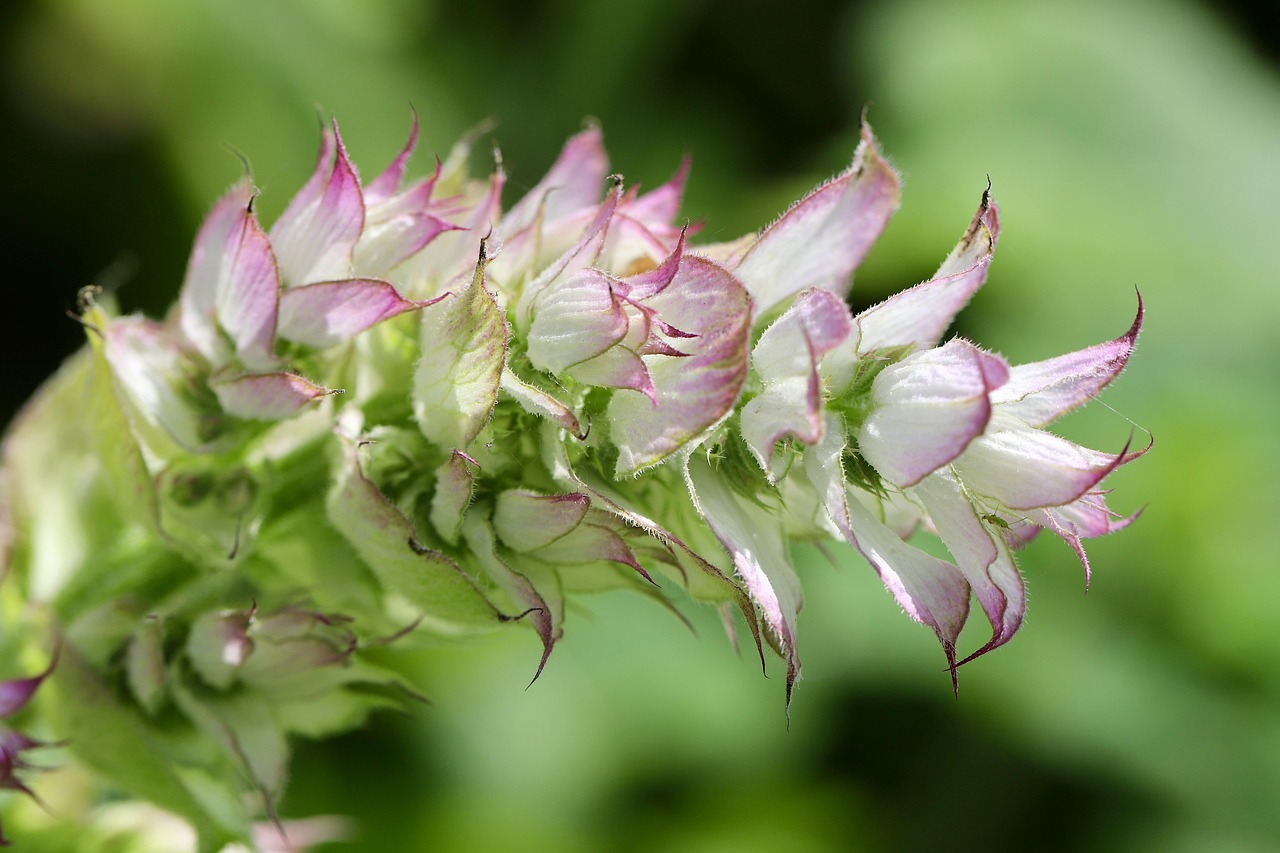
Before you start blending, it helps to understand what you are actually working with. Clary sage essential oil is steam-distilled from the flowering tops and leaves of Salvia sclarea, a tall biennial herb native to the Mediterranean basin. The resulting oil is pale yellow to almost colorless, with a warm, earthy, slightly floral scent that softens noticeably when diluted.
Cosmetically, the oil is valued for a few key qualities. It contains linalyl acetate and linalool, two aromatic compounds that also appear in lavender and that many formulators consider among the more skin-compatible constituents in the essential oil world. Some research observations suggest these compounds may support a balanced, comfortable feeling on the skin, though the science is still exploratory and individual results vary.
People with combination and oily skin types tend to gravitate toward clary sage more than others, partly because of anecdotal reports about how the oil interacts with sebum production. We will return to that topic when we get into specific recipes. For a broader overview of how this oil works across both skin and hair applications, the guide on clary sage oil for hair and skin: the complete cosmetic care is worth bookmarking alongside this one.
Safety Basics Before You Begin
Essential oils are potent concentrated extracts. Clary sage is generally considered well-tolerated in cosmetic use, but a few precautions apply to everyone.
- Always dilute. Clary sage essential oil should never be applied directly to skin without a carrier oil. The standard safe dilution for facial use is 0.5% to 1%, which works out to roughly 3 to 6 drops per 30 ml (1 oz) of carrier oil. For body applications, 2% (about 12 drops per 30 ml) is commonly used.
- Patch test first. Apply a small amount of your diluted blend to the inside of your wrist or elbow. Wait 24 hours and check for redness, itching, or irritation before applying to larger areas.
- Avoid use during pregnancy. Clary sage is widely flagged in aromatherapy literature as an oil to avoid during pregnancy. Consult a qualified healthcare provider before using it if you are pregnant or nursing.
- Photosensitivity note. Clary sage itself is not considered a photosensitizing oil, but some carrier oils and other essential oils you blend with it may be. Check each ingredient individually.
- Keep away from eyes and mucous membranes. Rinse thoroughly with carrier oil (not water) if contact occurs.
If you have any existing skin concerns or are under the care of a dermatologist or physician, consult them before adding any new topical ingredient to your routine.
Materials You Will Need
Gathering your supplies before you start makes the process much smoother. Here is what you will need for the recipes and routines covered in this guide.
Essential Ingredients
- High-quality clary sage essential oil (look for GC/MS-tested oil with a clear country of origin; France and Bulgaria are both well-regarded sources)
- A suitable carrier oil (see recommendations below)
- Dark glass dropper bottles (10 ml or 30 ml), amber or cobalt
- A digital scale or calibrated dropper for accurate measuring
- Small glass or stainless steel mixing bowls
- Labels for your finished blends
Choosing Your Carrier Oil
The carrier oil you choose has a significant impact on how your clary sage blend performs on skin. Lightweight oils absorb quickly and work well for oily or combination skin. Richer oils provide more slip and are better suited to drier skin types.
| Carrier Oil | Skin Feel | Best For |
|---|---|---|
| Jojoba (technically a wax ester) | Lightweight, non-greasy | Oily, combination, sensitive skin |
| Sweet almond | Medium weight, slightly emollient | Normal to dry skin |
| Rosehip seed | Dry oil, absorbs quickly | Mature or uneven-tone skin |
| Squalane | Very lightweight, stable | All skin types, layering under moisturizer |
| Argan | Medium, lustrous finish | Dry or mature skin |
For a deeper comparison of pairing options, the article on best carrier oils to pair with clary sage for cosmetic care covers each option in much more detail, including sourcing notes and shelf-life considerations.
Step-by-Step: Building a Clary Sage Facial Serum

This is a foundational recipe. Once you are comfortable with the process, you can adapt the ratios and swap in different carriers to suit your preferences.
Recipe: Everyday Balancing Facial Serum
Makes: 30 ml (approximately 1 oz)
Dilution: 1% (suitable for daily facial use)
Ingredients:
- 29.7 ml jojoba or squalane (your preferred carrier)
- 6 drops clary sage essential oil
Step 1: Clean and Prepare Your Equipment
Wipe down your glass bowl, dropper bottle, and dropper with isopropyl alcohol (70% or higher). Let everything air dry completely. This prevents contamination that could shorten the shelf life of your finished serum. It takes only two or three minutes but makes a real difference.
Step 2: Measure Your Carrier Oil
Pour your carrier oil into the glass bowl first. Measuring the carrier before the essential oil gives you a margin for correction. If you accidentally add too many drops of essential oil, you can compensate by adding more carrier. Going in reverse is much harder.
Step 3: Count Your Drops Carefully
Using a clean dropper, add 6 drops of clary sage essential oil to the carrier. Count out loud if it helps. The difference between 6 drops and 12 drops is a 1% versus 2% dilution, which matters for facial use. Take your time here.
Step 4: Stir Gently
Use a clean glass stirring rod or the dropper itself to stir the blend slowly for about 30 seconds. Essential oils and carrier oils integrate readily; you do not need to shake vigorously or use an emulsifier for an oil-only blend like this.
Step 5: Transfer and Label
Pour or pipette the blend into your dark glass dropper bottle. Seal it, then write the date, dilution percentage, and ingredients on your label. Unlabeled bottles are easy to confuse, especially if you are making multiple blends.
Step 6: Patch Test Before Full Use
Apply 2 to 3 drops to the inside of your wrist. Leave it undisturbed for 24 hours. If no irritation appears, the blend is ready for facial use.
Step 7: Incorporate Into Your Routine
Apply 3 to 5 drops to clean, slightly damp skin in the morning, evening, or both. Press gently with your fingertips rather than rubbing. Follow with your usual moisturizer if desired.
Common Mistakes to Avoid
These are the errors that come up most often for people new to formulating with clary sage oil for skin.
Using the Oil Undiluted
Neat application of any essential oil on the face is not recommended. Even oils with a gentle reputation can cause sensitization over time when applied without dilution. Build the habit of always reaching for your carrier first.
Skipping the Patch Test
Individual skin responses vary widely. A patch test is not optional; it is the only way to know how your particular skin responds to a new blend before applying it to your face.
Storing in Clear Glass or Plastic
UV light and oxygen are the main enemies of essential oil quality. Always store your blends in dark glass (amber or cobalt) in a cool, dry location away from direct sunlight. A bathroom cabinet works better than a countertop display.
Overcomplicating the Blend
It is tempting to add multiple essential oils to a single serum, but this makes it harder to identify what is working or what may be causing a reaction. Start with clary sage alone in a carrier. Once you know how your skin responds, you can layer in complementary oils like lavender or geranium at a later point.
Buying Oil Without Quality Verification
Price alone is not a reliable indicator of quality. Look for suppliers who provide GC/MS (gas chromatography/mass spectrometry) test reports for their oils. These reports confirm the chemical profile and can help you identify adulterated or diluted products before they end up on your skin.
A Simple Evening Wind-Down Ritual
One of the most popular ways people use clary sage essential oil benefits for skin is by pairing a topical application with a calming end-of-day routine. The scent profile of clary sage, earthy and faintly sweet, is genuinely well-suited to slow, deliberate rituals.
- Cleanse your face with your usual cleanser.
- While your skin is still slightly damp, warm 4 drops of your clary sage facial serum between your palms.
- Press your palms gently to your face, starting at the center and working outward.
- Take three slow breaths before removing your hands. The aromatic component of clary sage may support a sense of settled calm, which some people find a pleasant addition to a bedtime routine.
- Follow with your moisturizer or night cream as usual.
This kind of intentional routine is one of the gentle pleasures that draws many people to botanical skincare in the first place.
What to Expect Over Time

Managing expectations is important with any botanical skincare product. Clary sage oil is not a fast-acting cosmetic ingredient, and it is not positioned as one. People who use it consistently in a well-formulated blend often report that their skin feels more comfortable and balanced over several weeks, though individual results vary considerably and depend on skin type, climate, overall routine, and product quality.
Some anecdotal accounts suggest that people with oily or combination skin notice a change in how their skin feels throughout the day after several weeks of consistent use. These are self-reported observations, not clinical findings, and they should be understood as such.
If you notice any persistent irritation, redness, or discomfort, stop using the product and consult a dermatologist or qualified healthcare provider.
Exploring Further: Clary Sage for Hair and Beyond
If you find that clary sage oil benefits for skin resonate with your routine, the same oil has a well-established place in hair care formulation. The aromatic profile carries over beautifully into scalp blends and conditioning treatments. For a practical guide to that application, take a look at clary sage oil for hair: cosmetic care for shine and body.
Working with one versatile botanical oil across multiple areas of your routine is one of the more satisfying aspects of building a cohesive, intentional self-care practice. You invest in learning one ingredient well, and the knowledge carries across applications.
Quick-Reference Summary
- Dilute clary sage to 0.5% to 1% for facial use (3 to 6 drops per 30 ml carrier)
- Always patch test 24 hours before full facial application
- Store blends in dark glass, away from heat and light
- Jojoba and squalane are reliable, widely available carrier choices for most skin types
- Seek out GC/MS-tested oil from a reputable supplier
- Avoid use during pregnancy and consult a healthcare provider with any questions
- Give any new routine at least four to six weeks of consistent use before assessing results
Good botanical skincare is built on consistency, quality ingredients, and realistic expectations. Clary sage oil is a thoughtful addition to a routine, not a shortcut.