
Clary Sage Oil Near Me: Finding Quality Bottles Locally and Online
Searching for clary sage essential oil near you can feel surprisingly complicated. Health food stores, big-box retailers, specialty apothecaries, and dozens of online shops all carry it. Some bottles are excellent. Others are diluted, mislabeled, or distilled from the wrong plant entirely. Knowing how to tell the difference before you buy saves money and frustration.
This guide walks through every layer of the buying decision: what quality actually looks like on a label, which features matter most for different uses, where to find reputable sellers locally and online, and the red flags that should make you put a bottle straight back on the shelf.
What You Are Actually Looking For
Before comparing prices or brands, it helps to understand what separates a quality bottle from a mediocre one. The details are more specific than most shoppers expect.
The Latin Name on the Label
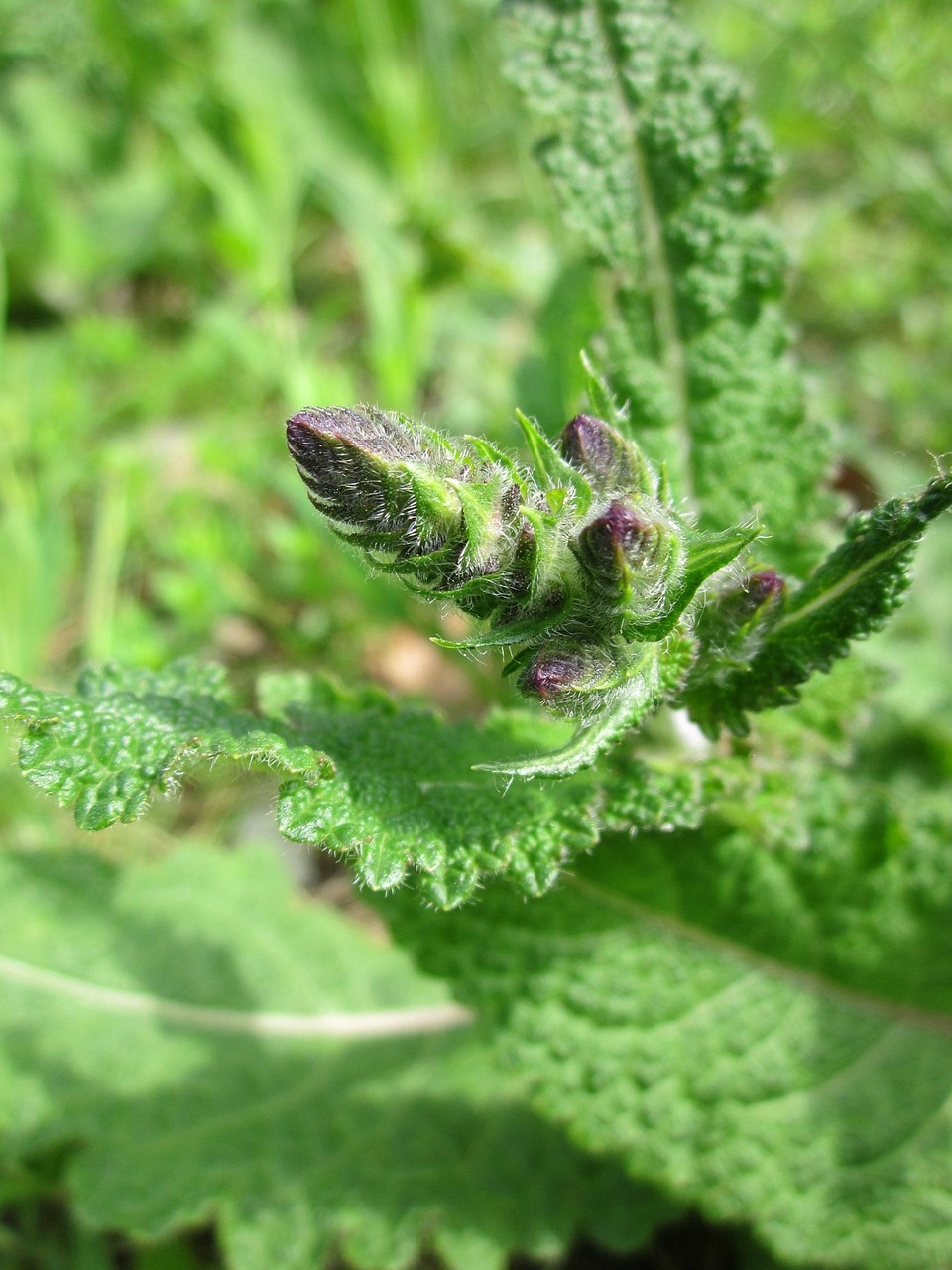
Genuine clary sage oil comes from Salvia sclarea. That Latin name should appear on every bottle you consider. Common sage (Salvia officinalis) is a different plant with a different chemical profile, and it is sometimes sold under loosely worded labeling. Spanish sage (Salvia lavandulifolia) is another species that occasionally gets confused in the marketplace. If a label says only "sage oil" or "sage essential oil" without the botanical name, that is not enough information to buy confidently.
For a deeper look at the plant itself and what makes it distinct, see our complete guide to the muscatel herb.
Extraction Method and Plant Part
Quality clary sage oil is steam-distilled from the flowering tops and leaves of Salvia sclarea. The label should state the extraction method. CO2 extraction is also legitimate and produces a slightly richer aroma, though it is less common. Avoid any product that lists "expressed" as the method, since that term applies to citrus oils and signals something is wrong with the labeling.
Country of Origin
Bulgaria, France, Russia, and Ukraine are the primary producing countries for Salvia sclarea. Bulgarian clary sage is widely considered to have an especially nuanced, slightly sweet character. French material is also well-regarded. The country of origin is not a guarantee of quality on its own, but its absence from the label is a mild warning sign.
GC/MS Testing
Gas chromatography/mass spectrometry (GC/MS) testing breaks down the chemical composition of an essential oil. Reputable suppliers publish these results, either batch-by-batch on their websites or available on request. For clary sage, the primary constituents to look for are linalool and linalyl acetate (which contribute the floral, slightly wine-like scent), along with alpha-terpineol, germacrene D, and sclareol. If a company cannot provide any compositional data, consider that a gap in transparency rather than a reason to trust them.

Key Features to Compare
Once you have confirmed a bottle meets the basics above, there are several additional features worth weighing against each other.
Bottle Size and Concentration
Most essential oils, including clary sage, are sold in 5 ml, 10 ml, 15 ml, and 30 ml sizes. A 5 ml bottle is reasonable if you are sampling a new supplier. If you blend regularly, a 15 ml or 30 ml purchase usually offers better value per milliliter. Avoid buying very large quantities from a supplier you have not tested before, since your nose is part of the quality check too.
Packaging
Essential oils degrade when exposed to light and heat. Amber glass or cobalt blue glass bottles protect the oil significantly better than clear glass. Dark plastic (PET or HDPE) is acceptable for storage but is generally a sign of a lower-tier product line. A tight-fitting orifice reducer or dropper insert helps control dispensing and limits oxidation between uses.
Certifications
Organic certification (USDA or equivalent) tells you the source material was grown without synthetic pesticides. It does not automatically mean superior aroma or purity, but it matters if you prefer organic inputs. Certified organic clary sage oil costs more. The premium is worth considering for personal care formulations applied to skin, where you have a preference for certified ingredients.
Price Per Milliliter
Clary sage oil is not among the most expensive essential oils, but it is not cheap either. As a rough reference point: expect to pay somewhere in the range of $0.80 to $2.50 per milliliter for good quality, non-organic material. Certified organic can run higher. Anything priced significantly below that range deserves extra scrutiny on the label and the GC/MS data.
Top Picks at Different Price Points
Rather than naming a single "best" brand, here is a framework for thinking about the market by tier. Different buyers have different priorities.
| Tier | Typical Price Range (10 ml) | What You Get | Best For |
|---|---|---|---|
| Entry-level | $6 to $10 | Basic labeling, limited testing data, often mass-market suppliers | Casual home diffusing, first-time buyers testing the scent |
| Mid-range | $10 to $18 | Botanical name present, GC/MS available, amber glass, traceable origin | Regular diffusing, DIY candle or soap making, personal care blending |
| Premium | $18 to $30+ | Certified organic, batch-specific testing, small-batch sourcing, supplier transparency | Skincare formulation, perfumery, buyers who prioritize sourcing ethics |
Suppliers consistently praised by formulators and aromatherapy educators include Plant Therapy, Florihana, Tisserand, and Edens Garden at the mid-range level. For premium and certified organic material, Revive, Rocky Mountain Oils, and smaller specialty importers tend to earn high marks for testing transparency.
For a more detailed breakdown of how to evaluate specific brands before purchasing, our guide on quality checks before you pay covers the process step by step.
Red Flags to Avoid

The essential oil market has real quality problems. These are the warning signs that signal a bottle is not worth your money.
- No Latin name on the label. "Clary sage oil" without Salvia sclarea is not enough.
- A price that seems too low. Genuine essential oils have real production costs. A 10 ml bottle priced at $2 or $3 has almost certainly been adulterated or substituted.
- "Fragrance oil" or "parfum" in the ingredients. These are synthetic compositions, not essential oils.
- Vague sourcing claims. Phrases like "wildcrafted from pristine environments" without a named country of origin are marketing filler.
- No testing data available. A supplier who cannot provide GC/MS results on request is not able to verify what they are selling.
- Clear glass bottles. Light exposure degrades essential oils. Clear glass packaging is a sign the supplier is not prioritizing shelf stability.
- Medical or drug-like claims on the label. In the United States, essential oils are regulated as cosmetic or aromatic products. Labels that make disease-specific claims should raise concern about the company's overall compliance standards.
Where to Buy: Local Options
Searching "clary sage oil near me" or "clary sage essential oil near me" usually surfaces a handful of local options. Here is how to think about each.
Health Food Stores
Stores like Whole Foods, Natural Grocers, and independent natural food co-ops typically carry a curated selection of essential oils. Quality varies by what brands they stock. Look for the features described above: botanical name, amber glass, traceable origin. The advantage of buying locally is that you can smell a tester before committing.
Specialty Apothecaries and Herb Shops
Independent apothecaries and herbalist shops often carry higher-quality selections than general retailers. Staff at these shops frequently have more product knowledge and can help you identify what you need. If you have a specialty herb or botanical shop nearby, it is worth visiting in person.
Farmers Markets and Craft Fairs
Small-batch distillers sometimes sell at local markets. This can be a genuine way to find excellent, locally produced material. Ask the seller for their GC/MS data and their distillation process. A knowledgeable small producer should be able to answer those questions without hesitation.
Big-Box and Pharmacy Retailers
Chains like Target, Walmart, and some pharmacy chains have expanded their essential oil sections. Quality varies considerably. Apply the same label checks here: botanical name, country of origin, testing data. Do not assume a major retailer's presence implies quality vetting.
Where to Buy: Online Options
For many buyers, the best selection and value for clary sage oil nearby simply does not exist locally. Online purchasing opens up a much wider range of suppliers and price points.
The key advantage of buying online is access to supplier transparency. A reputable online essential oil supplier will post GC/MS reports directly on the product page, list the batch number, name the country of origin, and provide sourcing information. You can compare this across multiple brands before spending a dollar.
Our guide on where to buy clary sage essential oil online covers the major online suppliers in detail, including ordering logistics and what to expect from each one.
When buying online, also factor in shipping conditions. Essential oils should not be stored in hot environments. During summer months, a supplier that uses insulated packaging or ships with cold packs is taking extra care with product integrity.
A Few Practical Notes Before You Buy
If you are new to clary sage oil, start with a smaller bottle from a mid-range supplier. Give yourself a chance to assess the scent and confirm it suits your intended use before committing to a larger purchase. The aroma of genuine Salvia sclarea is distinctive: slightly earthy, with a sweet, almost wine-like quality that some people find surprising the first time.
For anyone planning to use clary sage oil in skincare or leave-on formulations, always dilute in a suitable carrier oil before skin contact, and perform a patch check on a small area of skin first. Dilution ratios in the range of 1 to 3 percent are standard for most personal care applications. If you are expecting, nursing, or have any underlying health concerns, consult a qualified healthcare provider before adding any new botanical ingredient to your routine.
Storage matters after purchase too. Keep your bottle tightly sealed, away from direct light and heat, and away from humidity. A cool, dark cabinet works well. Properly stored clary sage oil typically maintains its aromatic quality for two to three years.
Finding quality clary sage oil nearby, whether that means the shelf of a local shop or a well-vetted online supplier, comes down to asking the right questions of the label and the company behind it. The more transparent a supplier is about sourcing, testing, and botanical identity, the more confident you can be in what you are buying.