
How to Buy Pure Clary Sage Oil: Quality Checks Before You Pay
Buying clary sage oil should be straightforward. It rarely is. The market is crowded with bottles that look identical on the outside but vary wildly in what's actually inside. Some are beautifully distilled from Salvia sclarea grown in the right terroir, with a rich, warm, slightly nutty aroma that lingers. Others are diluted, adulterated, or synthetically enhanced to hit a lower price point. Knowing the difference before you hand over your money is the whole point of this guide.
Whether you're stocking a professional aromatherapy cabinet or simply looking for a quality bottle for your evening wind-down diffuser blend, the checklist below will help you spend wisely. For a deeper background on the plant itself, see our complete guide to the muscatel herb.
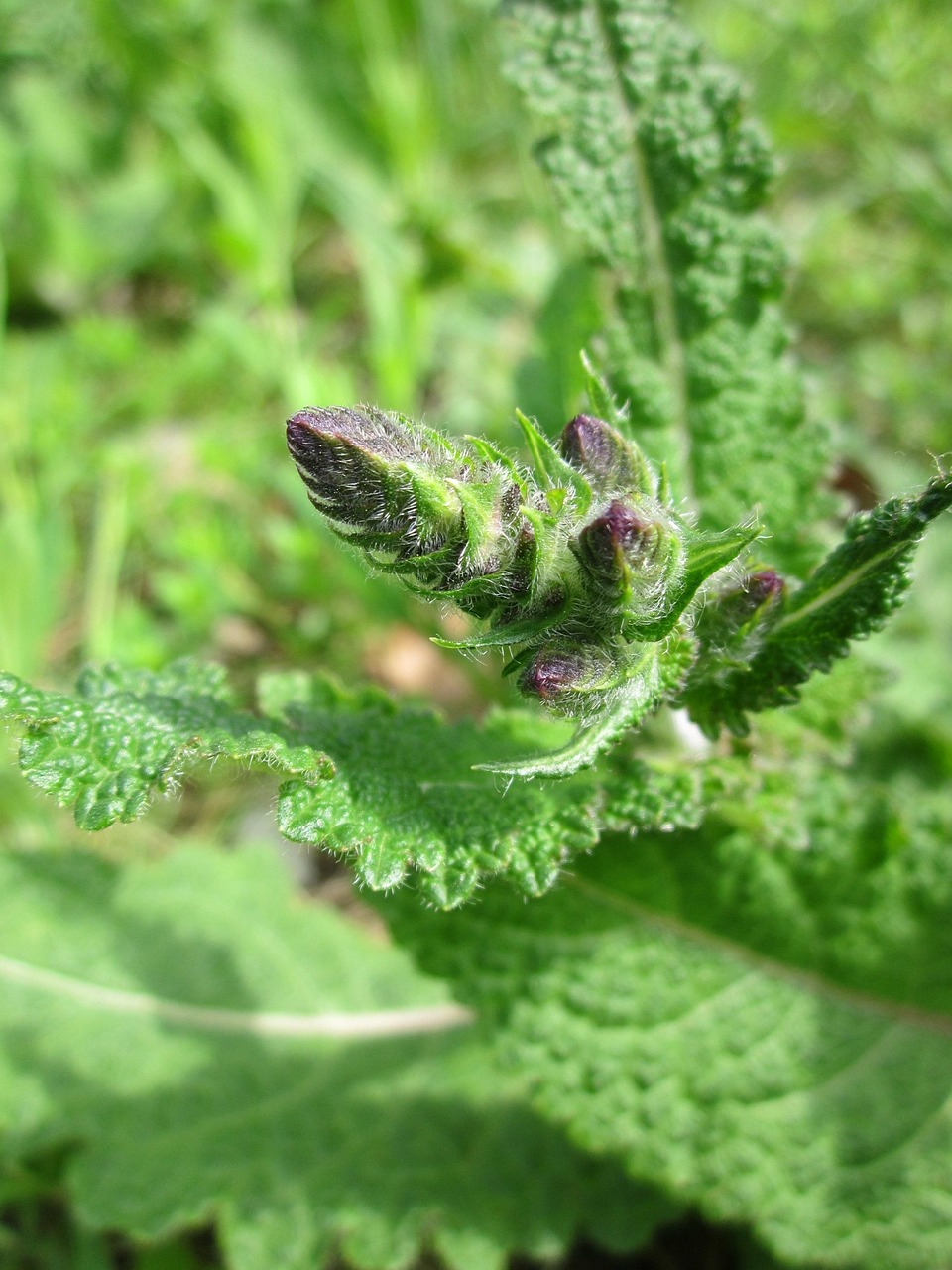
Why Purity Matters More Than Price
Clary sage oil is not a commodity. The scent profile and linalyl acetate content of a well-sourced bottle from Bulgarian or French-grown Salvia sclarea will be noticeably different from a cut-rate bottle distilled from lower-quality plant material or blended with carrier oil after the fact.
Linalyl acetate is the dominant ester in genuine clary sage oil, typically making up 55 to 75 percent of the composition. It gives the oil its signature smooth, slightly floral, almost wine-like character. When a bottle skews cheap and still claims a high linalyl acetate percentage, that's a signal worth investigating. Esters can be added synthetically or sourced from cheaper inputs like lavender fractions.
The practical takeaway: a bottle priced far below the market average for pure clary sage oil is not a bargain. It is a question mark.
The Five Quality Indicators Worth Checking
1. Latin Name on the Label
Every credible essential oil label should state the full Latin binomial: Salvia sclarea. If a label says only "clary sage oil" or "sage oil," that is not sufficient. Spanish sage (Salvia lavandulifolia) and common sage (Salvia officinalis) are both sold under umbrella "sage" labeling by less scrupulous suppliers. They are chemically distinct from clary sage and have different aromatic profiles entirely.
2. Country of Origin
The best clary sage oil comes from a handful of growing regions: Bulgaria (particularly the Kazanlak valley), southern France, and parts of Russia and Ukraine. Bulgarian and French origins are generally considered premium due to favorable climate conditions and established distillation expertise. Country of origin should appear on the bottle or be verifiable through the supplier's documentation.
3. GC/MS Testing Documentation
Gas chromatography/mass spectrometry (GC/MS) analysis is the industry standard for verifying essential oil composition. A reputable supplier will either publish these reports on their website or provide them on request. Look for:
- Linalyl acetate: 55 to 75 percent (typical range for quality clary sage)
- Linalool: 10 to 25 percent
- Germacrene D: 2 to 12 percent
- Sclareol: trace to low levels
A GC/MS report that shows unusual spikes, missing key constituents, or percentages outside these ranges deserves scrutiny. Not every buyer will read these reports fluently, but the willingness of a supplier to publish them openly says a great deal about their confidence in their own product.
4. Distillation Method and Part of Plant
Quality clary sage oil is steam-distilled from the flowering tops and leaves of the plant. Some lower-quality products use solvent extraction or redistillation of spent plant material. The label or product description should specify steam distillation. If it doesn't mention extraction method at all, ask before buying.
5. Packaging
Pure clary sage oil should come in a dark glass bottle, typically amber or cobalt blue, with an orifice reducer or dropper. Clear glass bottles accelerate photo-oxidation. Plastic bottles are a hard no: essential oils degrade certain plastics and may absorb compounds from the container itself. A UV-protective label is a minor but nice-to-see touch from a supplier who takes storage seriously.
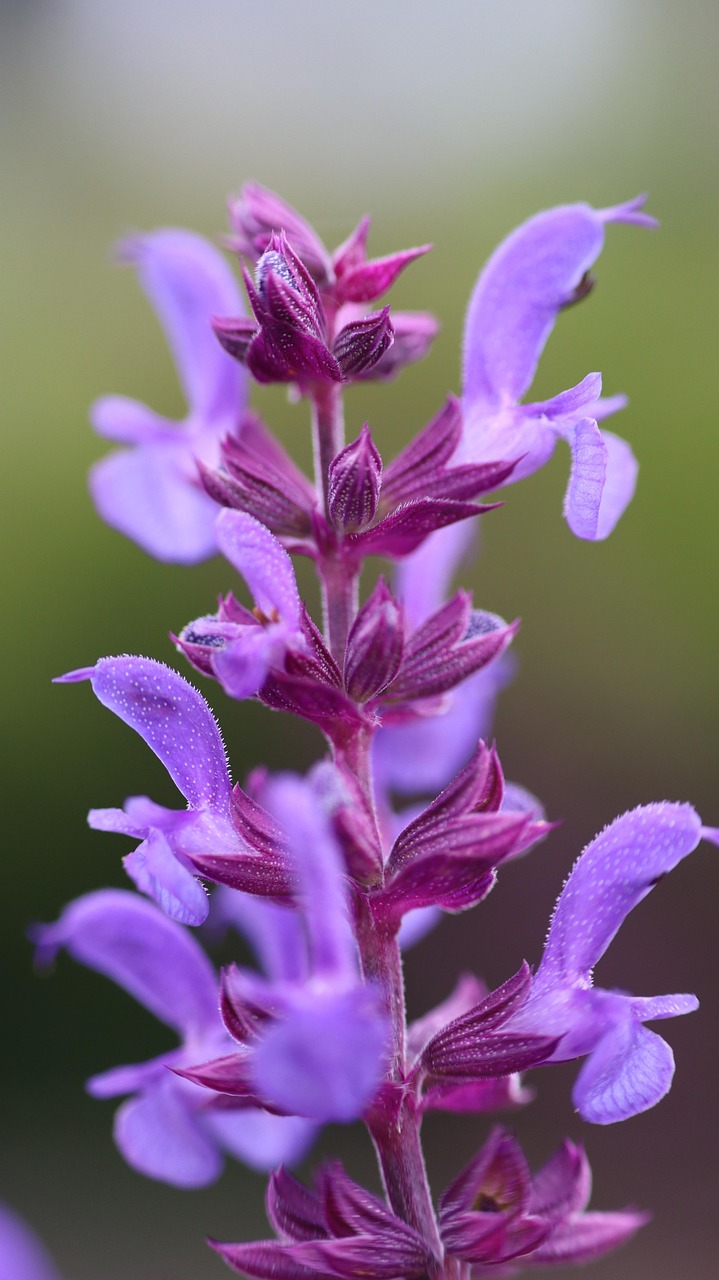
Key Features to Compare When Shopping
| Feature | What to Look For | Red Flag |
|---|---|---|
| Latin name | Salvia sclarea clearly stated | "Sage oil" only, no species specified |
| Origin | Bulgaria, France, or Russia listed | "International sources" or no origin given |
| GC/MS report | Publicly available or provided on request | "Proprietary blend" or flat refusal to share |
| Extraction method | Steam distilled, flowering tops | No method listed; "extracted" without detail |
| Bottle type | Dark amber or cobalt glass, orifice reducer | Clear glass, plastic bottle |
| Price per ml | Within fair market range (see below) | Dramatically underpriced; also dramatically overpriced without explanation |
| Batch number | Present on label; traceable | No batch info; generic lot numbers |
| Certifications | Organic certification (USDA or equivalent) if claimed | "Natural" or "organic" claimed without a certifying body named |
Understanding Price Tiers
Clary sage oil sits in the mid-range of essential oil pricing: more affordable than rose or neroli, but noticeably more expensive than lavender or orange. A fair price reflects legitimate cultivation, skilled distillation, and proper third-party testing. For a detailed breakdown of what a bottle should realistically cost in today's market, see our clary sage oil price guide.
Entry Level (Budget-Friendly, $8 to $18 per 10 ml)
You can find decent clary sage oil in this range, but you need to verify more carefully. Brands in this tier are often trading on volume. Look for those that still publish GC/MS data and list Salvia sclarea explicitly. Avoid unlabeled origin. Acceptable for diffuser use or casual experimentation, but not ideal if you need consistent quality for professional blending.
Notable brands to consider: Plant Therapy, Edens Garden. Both publish batch-specific GC/MS reports and specify country of origin. Plant Therapy sources from Bulgaria; Edens Garden publishes reports by lot number. Neither is a premium specialty supplier, but both are reliable for this price tier.
Mid-Tier (Quality-Focused, $18 to $35 per 10 ml)
This is where you find the sweet spot for most buyers who want pure clary sage oil without paying a specialty premium. Suppliers at this level typically source from established distillers in France or Bulgaria, publish detailed GC/MS reports, and offer both conventional and certified organic options.
Notable brands to consider: Floracopeia, Rocky Mountain Oils. Floracopeia is particularly transparent about its distiller relationships. Rocky Mountain Oils offers a quality guarantee and accessible GC/MS data. For cosmetic formulators or dedicated aromatherapy use, this tier is appropriate.
Premium and Specialty ($35 and above per 10 ml)
At this level, you are typically paying for certified organic growing practices, small-batch distillation, a specific terroir, or a direct farm-to-bottle supply chain. The aromatic nuance at this tier is often genuinely superior. The muscat-like, slightly balsamic quality of a well-grown French clary sage from a careful distiller is perceptible if you know what you're comparing it against.
Notable brands to consider: Oshadhi (German-based, widely respected for sourcing transparency), Tisserand Institute-endorsed suppliers, and small direct importers who work with named distillers. If you're purchasing for high-end cosmetic formulation or professional aromatherapy blending, the investment here is justified.
Red Flags: What to Walk Away From
Some warning signs are obvious once you know what to look for. Others are subtler.
Vague or Missing Labeling
A label that says "100% Pure Clary Sage Oil" but doesn't list Salvia sclarea, the country of origin, or the extraction method is making claims it may not be able to support. Legitimate suppliers are specific because specificity is how they demonstrate value.
"Blend" Language Hidden in the Fine Print
Some products are sold as essential oils but are pre-diluted in a carrier oil. This is not inherently bad, but it should be disclosed prominently on the label. If the ingredient list includes fractionated coconut oil or jojoba oil and the bottle is labeled simply as "clary sage oil," you are not getting a pure essential oil. You are getting a dilution, possibly a heavily diluted one.
Uniform Pricing Across All Oils
If a supplier sells lavender, rose absolute, and clary sage all at the same price per volume, something is wrong. These oils have genuinely different production costs. A supplier who prices everything the same is almost certainly adulterating the more expensive ones to hit a uniform margin.
Health and Medical Language
Any supplier who makes specific medical or health condition claims on their product pages is operating outside responsible industry standards. This should prompt skepticism about what else they're cutting corners on.
No Contact Information or Returns Policy
Reliable suppliers stand behind their product. A website with no customer service email, no phone number, and no stated return policy is a risk not worth taking for any meaningful purchase.
Where to Buy Clary Sage Essential Oil
For a full breakdown of online sourcing options with retailer-specific notes, see our dedicated guide on where to buy clary sage essential oil online. Here's a concise overview of your main channels.
Direct from Specialty Suppliers
This is the most reliable route for anyone who cares about sourcing transparency. Companies like Floracopeia, Oshadhi, and Eden Botanicals work directly with distillers and can trace every batch. You will pay more, but you will know what you're getting. Their customer service teams are typically knowledgeable and will answer sourcing questions directly.
Established Online Retailers
Plant Therapy and Rocky Mountain Oils sell through their own websites with strong quality-control documentation. Both have grown substantially without compromising their testing transparency. Edens Garden is another solid option, particularly for buyers who want organic certification on a modest budget.
Amazon and General Marketplaces
You can find reputable brands on Amazon, including Plant Therapy and Edens Garden. The risk on general marketplaces is counterfeit listings, third-party sellers offering non-genuine product under a trusted brand name, and fulfilled-by-merchant shipments with uncertain storage histories. If you buy clary sage oil on Amazon, buy directly from the brand's own storefront, not from a third-party seller.
Also check that the bottle you receive matches the description: correct volume, intact tamper seal, and a batch number you can verify on the supplier's GC/MS database if they offer one.
Local Health Food Stores and Co-ops
For buyers who prefer to smell before purchasing, many Whole Foods locations and independent natural food stores carry a curated selection of essential oils. Availability of clary sage specifically varies by region, and the selection is usually limited to one or two brands. You won't find specialty-tier products here, but you can evaluate packaging and labeling in person.
Aromatherapy and Cosmetic Supply Wholesalers
If you are formulating products at scale, suppliers like Bulk Apothecary, New Directions Aromatics, and Jedwards International offer clary sage oil in larger quantities. These suppliers cater to professionals and typically provide certificate of analysis documentation. Quality varies by batch and supplier, so always request current COA documentation before purchasing.
A Practical Pre-Purchase Checklist
Before you click "add to cart" on any bottle of pure clary sage oil, run through this quick list:
- Does the label or product listing state Salvia sclarea?
- Is the country of origin listed (ideally Bulgaria or France)?
- Is a GC/MS report available for this specific batch?
- Is the extraction method stated as steam distillation?
- Is the bottle dark glass with a proper closure?
- Is the price within a reasonable range for the volume offered?
- Does the supplier have verifiable contact information and a clear returns policy?
- If "organic" is claimed, is a certifying body named?
Eight checks. If you can answer yes to all eight, you are in good shape. If you're saying no to three or more, keep looking.
A Note on Organic Certification
Certified organic clary sage oil commands a modest price premium and is worth considering if you're using the oil in leave-on cosmetic formulations or products where ingredient provenance matters to your customers. USDA Organic and ECOCERT are the most recognized certifying bodies. "Wildcrafted" is a term some suppliers use to indicate the plant was harvested from uncultivated land without chemical inputs. It is not the same as certified organic, but it can indicate quality sourcing if the supplier is transparent about the harvest region.
One practical note: organic certification speaks to growing conditions. It does not automatically guarantee distillation quality or post-harvest handling. You still need to check the GC/MS data.
Final Thoughts on Buying Smart
The clary sage oil market rewards buyers who ask specific questions. Suppliers who have done the work to source, test, and document their product will not hesitate to answer those questions. Those who deflect, generalize, or simply point you to a marketing page instead of a certificate of analysis are telling you something important about their priorities.
Spend a few extra minutes on due diligence before your first purchase from any new supplier. Your diffuser blend, your cosmetic formula, and your wallet will be better for it.