
Clary Sage Oil Price Guide: What a Fair Bottle Costs
Clary sage essential oil sits in a fascinating price middle ground. It costs noticeably more than lavender or peppermint, yet far less than rose or neroli. That positioning can make shopping confusing. Is a $12 bottle a bargain find or a red flag? Is a $60 bottle genuinely superior or simply well-packaged? This guide breaks down clary sage oil cost at every level, from single retail bottles to bulk purchasing, so you can spend your money where quality actually lives.
Why Clary Sage Oil Has Its Own Price Logic
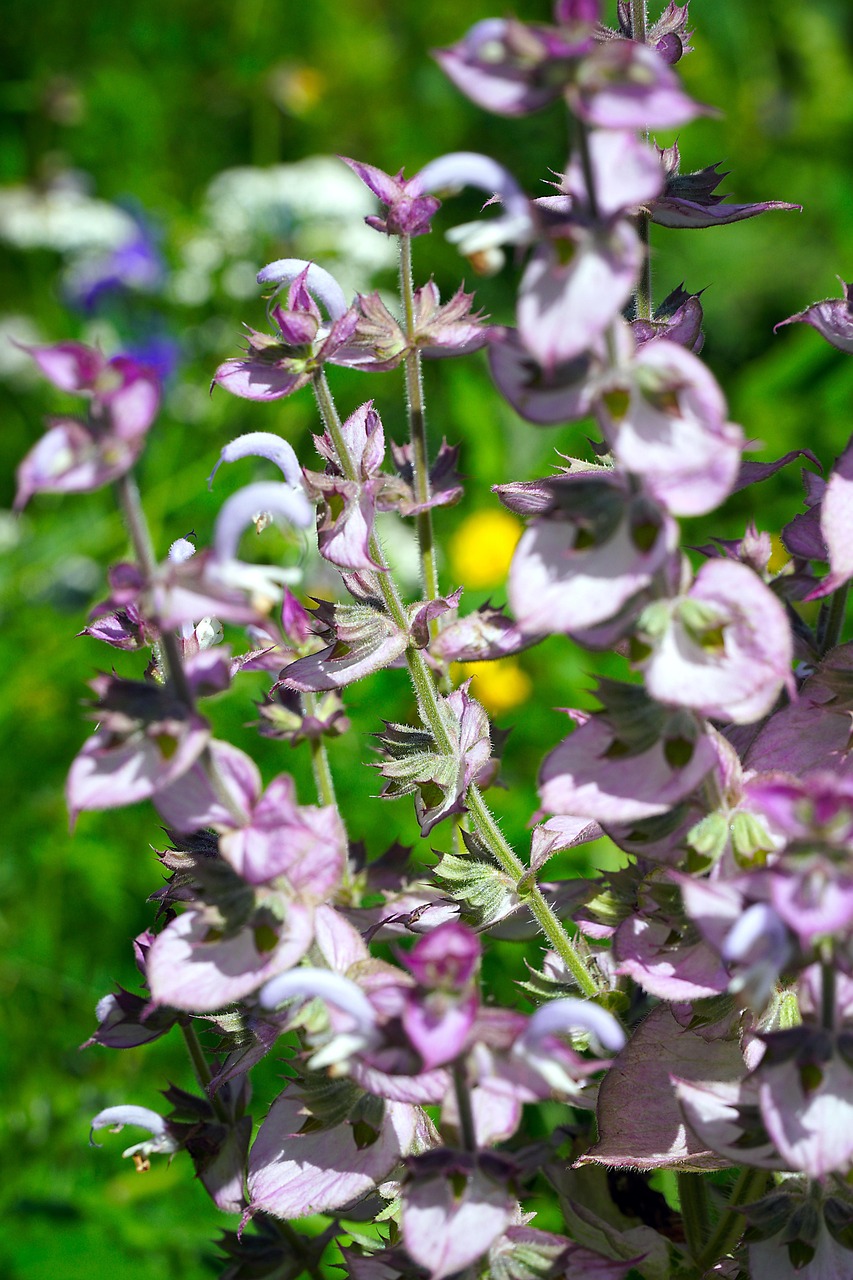
To understand pricing, you need to understand the plant. Salvia sclarea is a biennial herb, meaning it only flowers in its second year. Farmers carry the crop through a full growing season before a single drop of oil is produced. The flowering tops must be harvested at peak bloom, typically over a short window in late summer, and steam-distilled quickly to preserve the linalool and linalyl acetate that give clary sage its characteristic warm, slightly nutty, floral scent.
The clary sage essential oil price per kg reflects that labor. Industry figures generally place bulk clary sage oil price per kg somewhere between $80 and $160 USD, depending on origin, harvest year, and certification. French-origin oil from the Drôme or Haute-Provence regions tends to sit at the higher end. Bulgarian and Ukrainian sources often offer slightly lower per-kilogram pricing without necessarily sacrificing quality, though the scent profile can differ.
For a deeper look at the plant's botany and distillation process, the complete guide to clary sage and the muscatel herb is worth reading before you shop.
Retail Bottle Pricing at a Glance
Here is what you can reasonably expect to pay at retail for a pure, unadulterated clary sage essential oil in a standard amber glass bottle:
| Bottle Size | Budget Range | Mid-Range | Premium |
|---|---|---|---|
| 5 ml | $5 to $10 | $10 to $18 | $18 to $28 |
| 10 ml | $8 to $14 | $14 to $28 | $28 to $45 |
| 15 ml | $10 to $18 | $18 to $35 | $35 to $60 |
| 30 ml | $16 to $28 | $28 to $55 | $55 to $90 |
Prices outside these ranges are worth scrutinizing carefully, in both directions. A 15 ml bottle priced at $6 is almost certainly adulterated or mislabeled. A 10 ml bottle at $95 needs a compelling story about origin and testing to justify the markup.
Quality Indicators: What to Look for Before You Buy
Price is only one signal. A bottle priced correctly can still be poor quality, and a modestly priced oil from an honest small distiller can be exceptional. These are the factors that actually indicate quality.
Latin Binomial on the Label
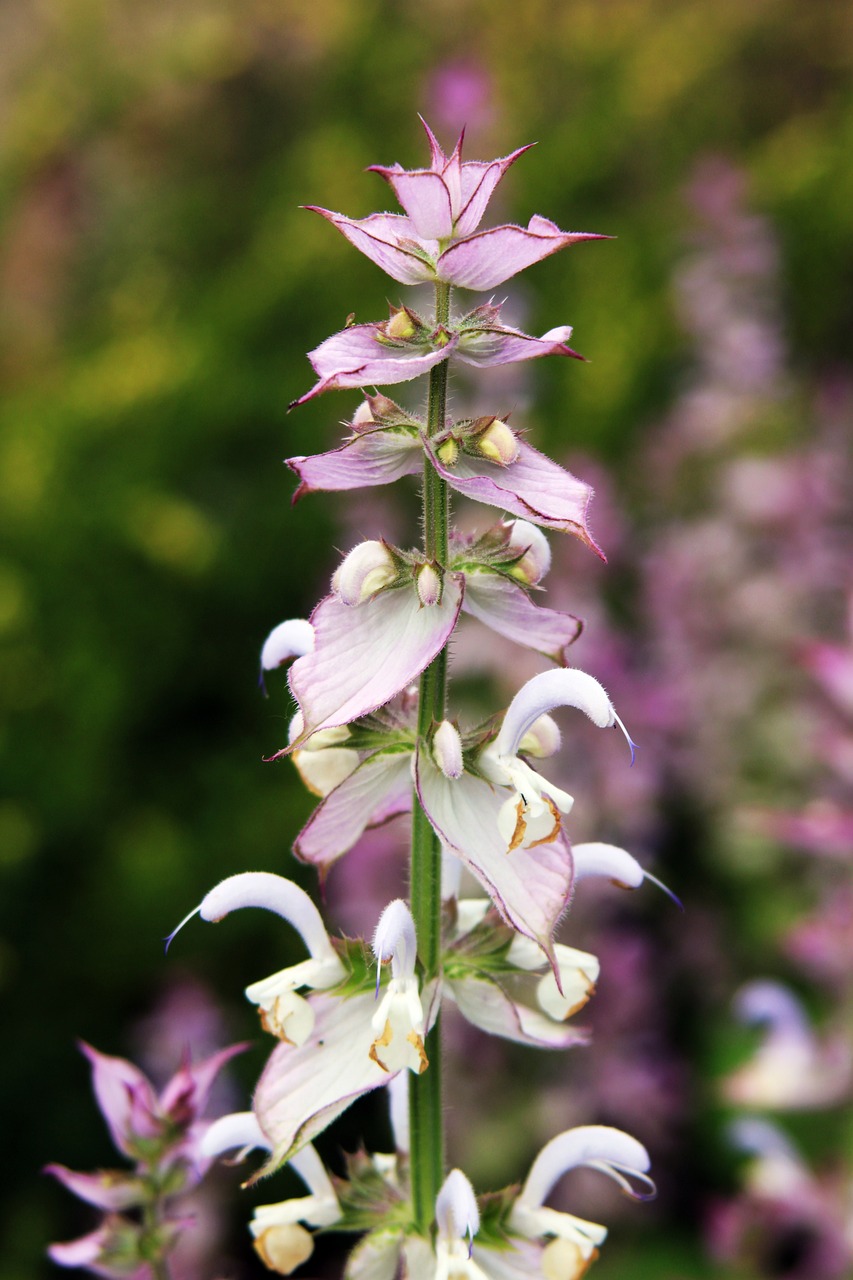
The label should clearly state Salvia sclarea. Generic terms like "clary sage oil" without the botanical name leave room for substitution. Some suppliers blend in Spanish sage (Salvia lavandulifolia) or other Salvia species that smell vaguely similar but carry a different chemical composition and scent character. If the Latin name is missing, that is a meaningful omission.
Country of Origin
Origin matters for both quality and scent. French clary sage, particularly from the Drôme Provençale, is widely regarded as a benchmark. It tends toward a rich, slightly wine-like, balsamic quality. Bulgarian clary sage is often fresher and lighter, with a more pronounced herbal note. Neither is categorically better. They suit different applications. What matters is that the origin is disclosed, not hidden.
GC/MS Testing and Batch Reports
Gas chromatography/mass spectrometry testing is the industry-standard method for verifying oil composition. A reputable supplier will make batch-specific GC/MS reports available on request or directly on their website. Look for a linalyl acetate content roughly in the range of 55 to 75 percent and linalool in the 10 to 25 percent range. These two components define the characteristic clary sage scent profile. If a supplier cannot or will not provide this documentation, move on.
Packaging
Amber or cobalt blue glass is standard for a reason. Essential oils degrade when exposed to UV light and can interact with plastic over time. A quality producer invests in proper packaging. Dropper inserts or orifice reducers are a small but meaningful detail that signals the supplier understands how their customers actually use the oil.
Certifications
Organic certification (USDA, ECOCERT, or EU equivalent) adds a modest premium, typically 15 to 30 percent over conventional. It is a meaningful quality signal if the certification body is reputable and the documentation is current. Some excellent oils come from farms that use organic practices but have not pursued formal certification due to cost. In those cases, ask the supplier directly about farming practices.
For a thorough checklist before committing to any purchase, the article on how to buy pure clary sage oil with quality checks before you pay covers the verification process in detail.
Top Picks at Different Price Points
Budget Tier ($8 to $18 for 10 ml)
At this price, you are looking for oils from large, established retailers who can source efficiently at volume. Plant Therapy and Rocky Mountain Oils both publish GC/MS reports for every batch and offer clary sage at accessible prices. The sourcing is typically Eastern European. The scent is clean and recognizable, if not as complex as a French single-origin oil. For diffusing, candle-making, or soap projects where you need volume without breaking the budget, this tier is practical and honest.
Mid-Range Tier ($25 to $45 for 10 ml)
This is where most serious home blenders and small-batch cosmetic makers tend to land. Brands like Florihana, Eden Botanicals, and Stillpoint Aromatics occupy this space. You get disclosed single-origin sourcing, accessible testing documentation, and noticeably more complex scent profiles. Florihana's French certified organic clary sage is a frequent reference point for quality at a fair price. Eden Botanicals offers both French and Bulgarian options side by side, which lets you compare origins before committing to larger quantities.
Premium Tier ($45 and above for 10 ml)
At this level, you are typically paying for certified organic French origin, a small-batch or single-estate distillation story, and often a more curated retail experience. Oshadhi and Tisserand's higher-end offerings fit here. The scent complexity is often perceptible, particularly the muscatel wine note that enthusiasts prize. For perfumery work, high-end personal care formulations, or simply if you want the best version of the ingredient, the premium tier has a legitimate case to make.
Red Flags to Avoid
The essential oil market has a persistent adulteration problem, and clary sage is not immune. Here are the clearest warning signs.
- Uniformly low prices across every oil in a catalog. If a supplier sells clary sage, rose absolute, and sandalwood all at the same price point, something is wrong. These oils have vastly different production costs. Uniform pricing signals blending, dilution, or mislabeling.
- No GC/MS reports available. This is non-negotiable for a quality supplier in the current market. The testing infrastructure exists and the documentation is standard. Absence of it is not charming artisanal minimalism. It is a gap.
- Labels that say "fragrance oil" or "nature-identical." These are synthetic products. They may smell like clary sage, but they are not clary sage essential oil. They have no place in a carrier oil blend or a skincare formulation expecting a botanical ingredient.
- No Latin name, no origin, no batch number. Traceability is the backbone of quality assurance. A label with nothing but a common name and a price tells you nothing about what is inside.
- Plastic bottles for undiluted oil. Undiluted essential oils should always be stored and sold in glass. Plastic packaging for a concentrated essential oil signals either ignorance or indifference to quality.
Buying in Bulk: When It Makes Sense
If you are a small cosmetic producer, a soap maker, or a blender who goes through 30 ml or more of clary sage oil per month, buying in larger quantities makes financial sense. The clary sage oil price per kg at wholesale can represent a significant saving over retail per-milliliter pricing.
At wholesale volumes (typically starting at 100 g or 500 g), expect to pay somewhere in the $90 to $140 per kg range for Bulgarian origin and $130 to $200 per kg for certified organic French origin, with market variation based on harvest quality and supplier relationships. These figures fluctuate with agricultural conditions and currency exchange, so treat them as orientation points rather than fixed numbers.
The wholesale clary sage essential oil bulk buyer's guide covers supplier vetting, minimum order quantities, and storage considerations for anyone moving into larger volume purchasing.
Where to Buy
A few practical notes on purchasing channels:
- Direct from distillers or specialized aromatics retailers: This is the most reliable path for quality and documentation. Suppliers like Florihana, Eden Botanicals, and Stillpoint Aromatics specialize in essential oils and stake their reputation on purity.
- Amazon and general marketplaces: Quality varies enormously. Stick to established brands with accessible third-party testing, and read the label information in the product listing carefully before ordering.
- Health food stores and co-ops: Good for sampling established brands in person. The scent-before-you-buy advantage is real. Just verify the bottle carries all the traceability information mentioned above.
- Wholesale platforms (Faire, ThomasNet, direct from distillers): Appropriate for bulk buyers. Always request samples and testing documentation before committing to a large order.
Getting the Most from Your Bottle
Storage has a direct effect on the value you get from any bottle of clary sage oil. Store it away from direct light and heat, keep the cap sealed tightly between uses, and refrigeration during warm months can extend shelf life noticeably. A properly stored bottle of clary sage oil will typically maintain its scent character for two to three years. Beyond that, the top notes begin to fade and linalyl acetate can start to convert, shifting the scent away from the bright, clean muscatel quality that makes clary sage so appealing in the first place.
Clary sage oil cost, ultimately, is a function of what you are actually getting in the bottle. The price ranges in this guide exist because quality varies that widely. Spend a few minutes with the label, ask for the GC/MS report, and know your intended use before you buy. That small amount of due diligence is worth far more than hunting for the lowest price per milliliter.